

By Gia Miller
Design by Justin Negard
ANTIQUES DEPARTMENT
We present you with a peek into this new archival collection from Historic Hudson Valley. Featuring a broad range of items that represent the cultural and historical significance of the lower Hudson River Valley, these objects are associated with the people who once lived and worked at Philipsburg Manor, Washington Irving’s Sunnyside and Van Cortlandt Manor. All items are available for viewing only (not for sale) at hudsonvalley.org/resources/collections.
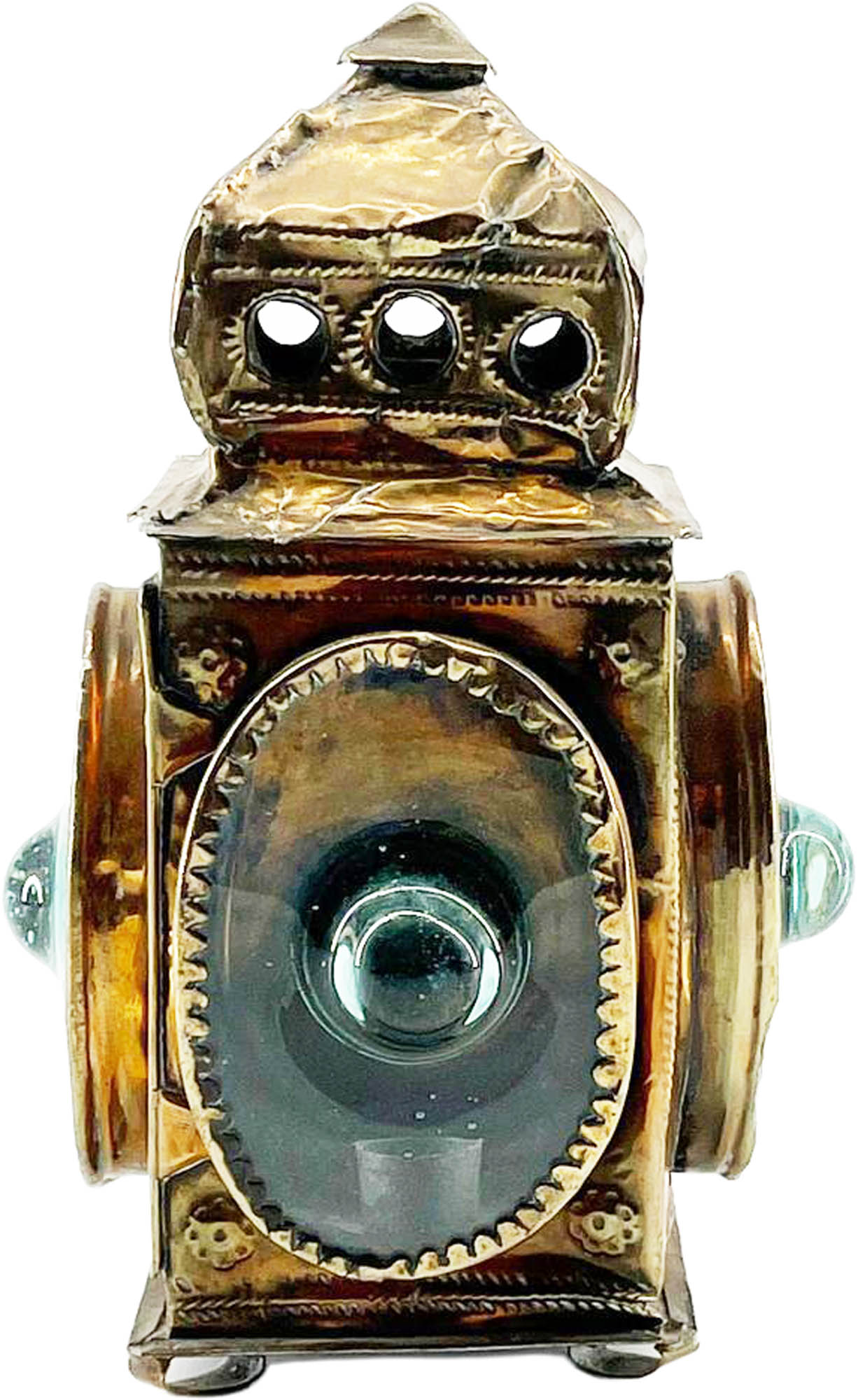
Bull’s-Eye hand lantern
While this lantern resembles the Jawas in Star Wars, it was designed in the 18th century purely for focusing candlelight, likely in a hand carriage, on a desktop or carried on a bicycle.
PM.65.43
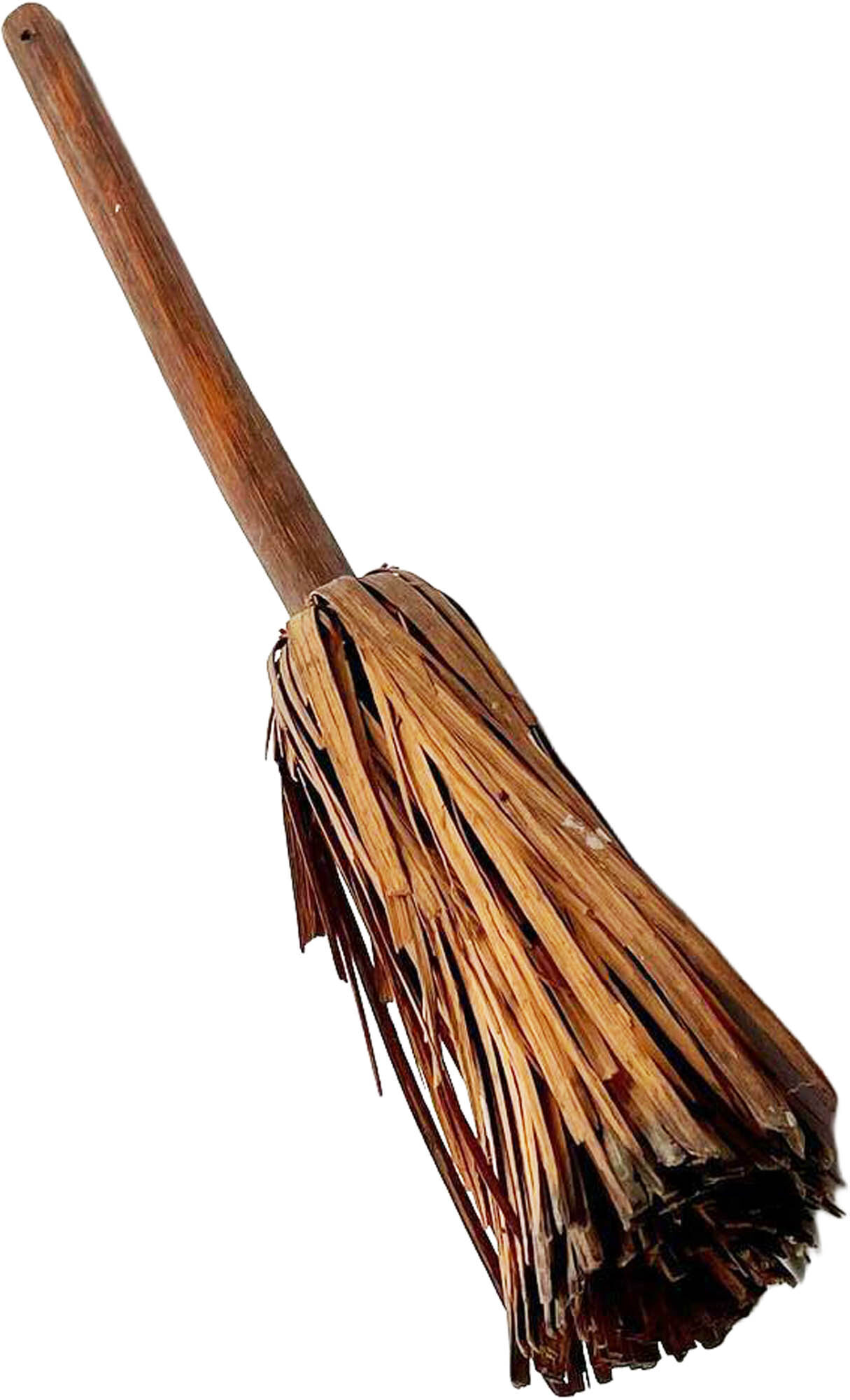
Splint whisk broom
Crafted from a single continuous piece of ash wood, these small brooms were used to brush mud, lint and dust off wool coats, hats and fabrics; tidy up around fireplace hearths; and sweep crumbs off of kitchen counters.
PM.65.614
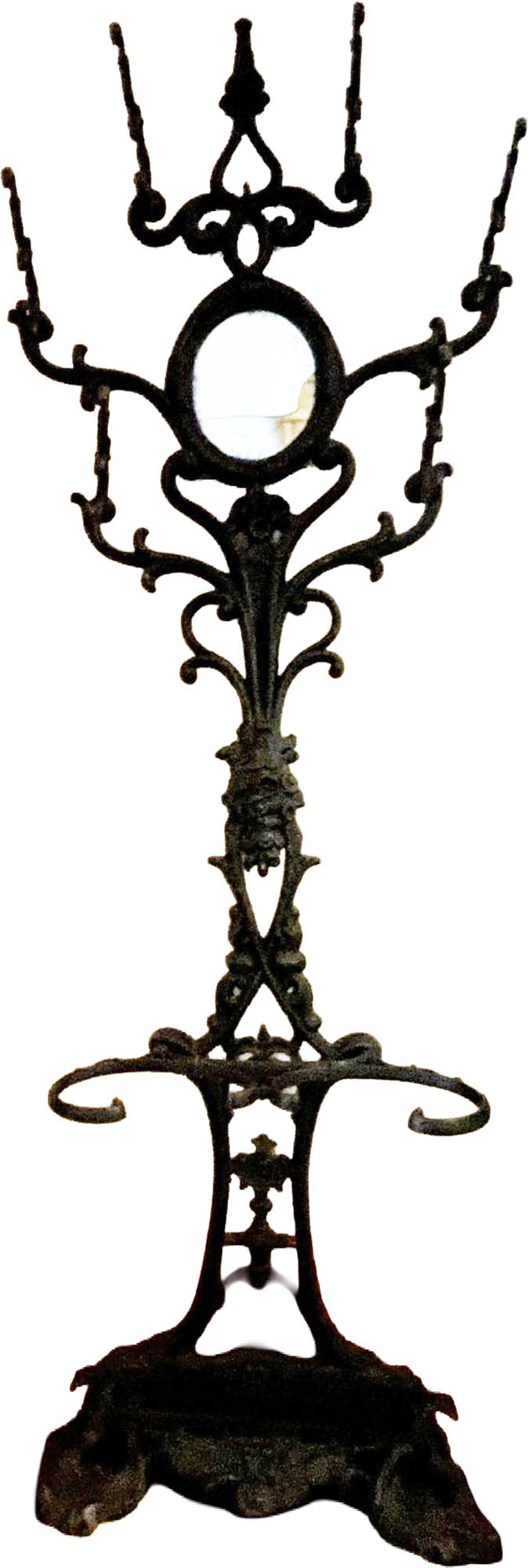
Hall tree
This Victorian cast-iron coat rack features six scrollwork arms designed to hold hats, cloaks and heavy coats. The small oval mirror is strategically placed so you can check your hair or hat, and the C-shaped arms kept walking sticks and umbrellas upright.
SS.62.56

Wooden Mold
A dog, swan, pointed-hat, pair of wooden clogs, and tobacco pipe all carved into one wooden half-mold for marzipan or other molded confectionery.
PM.65.11
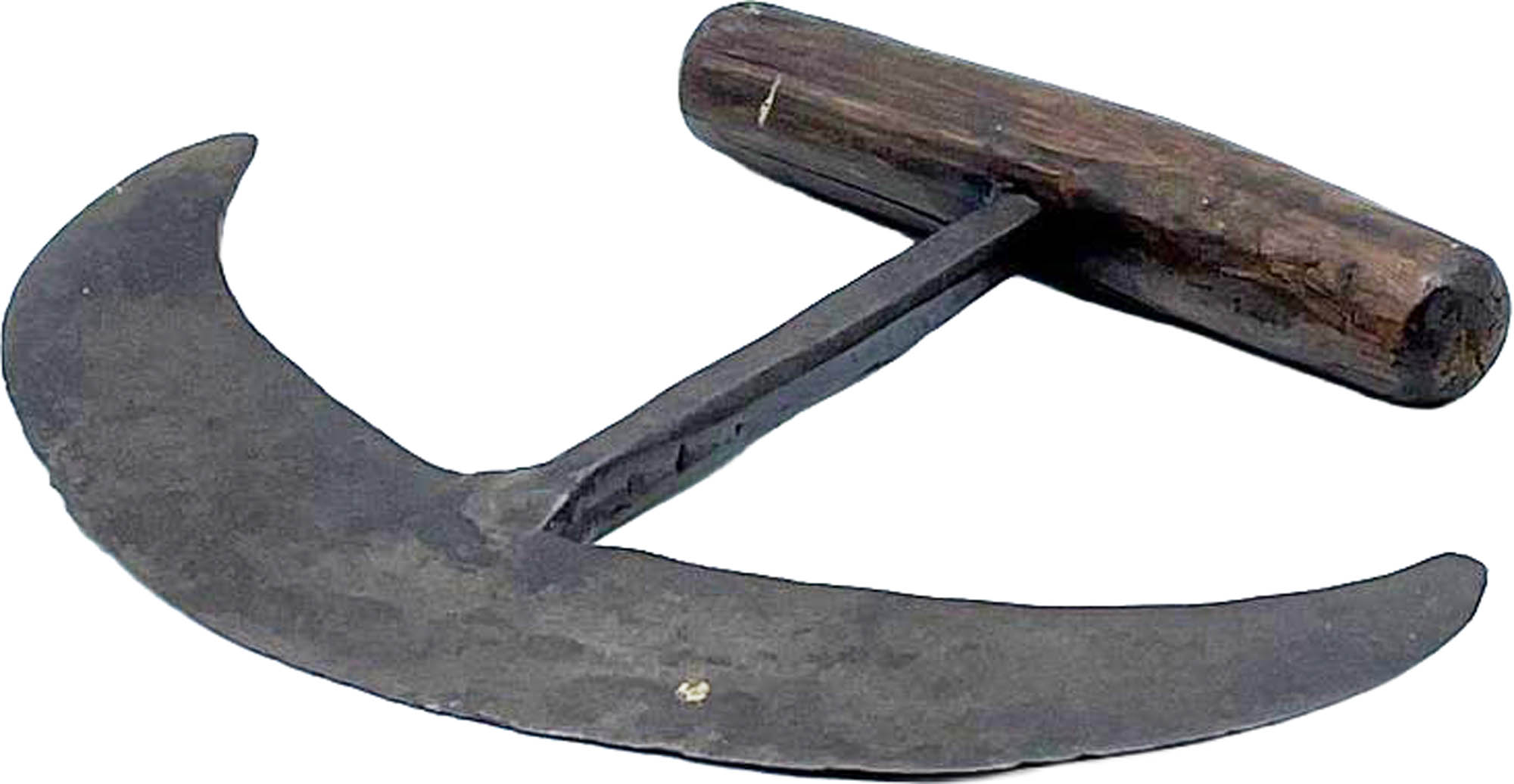
Rocking chopping knife
This hand-forged steel rocking chopping knife was used for mincing herbs and chopping by using a back-and-forth rocking motion. Similar knives are still produced and used today.
PM.65.605
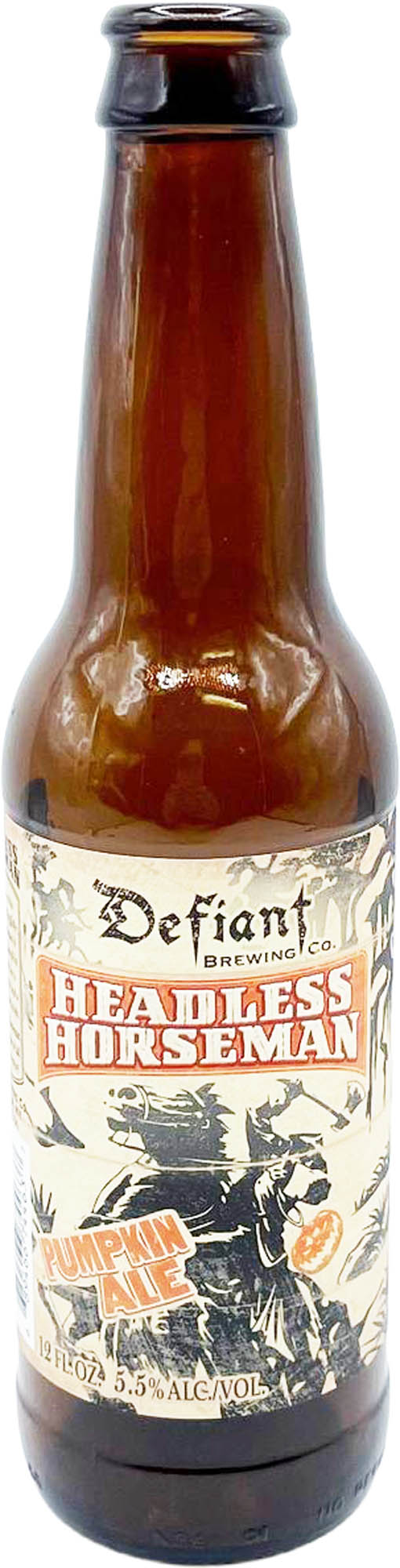
Pumpkin Ale
An admittedly modern brewery in Pearl River (2006-2026), Defiant Brewing Company’s Headless Horseman Pumpkin Ale depicts Washington Irving’s 1820 “The Legend of Sleepy Hollow.”
SS.2022.3
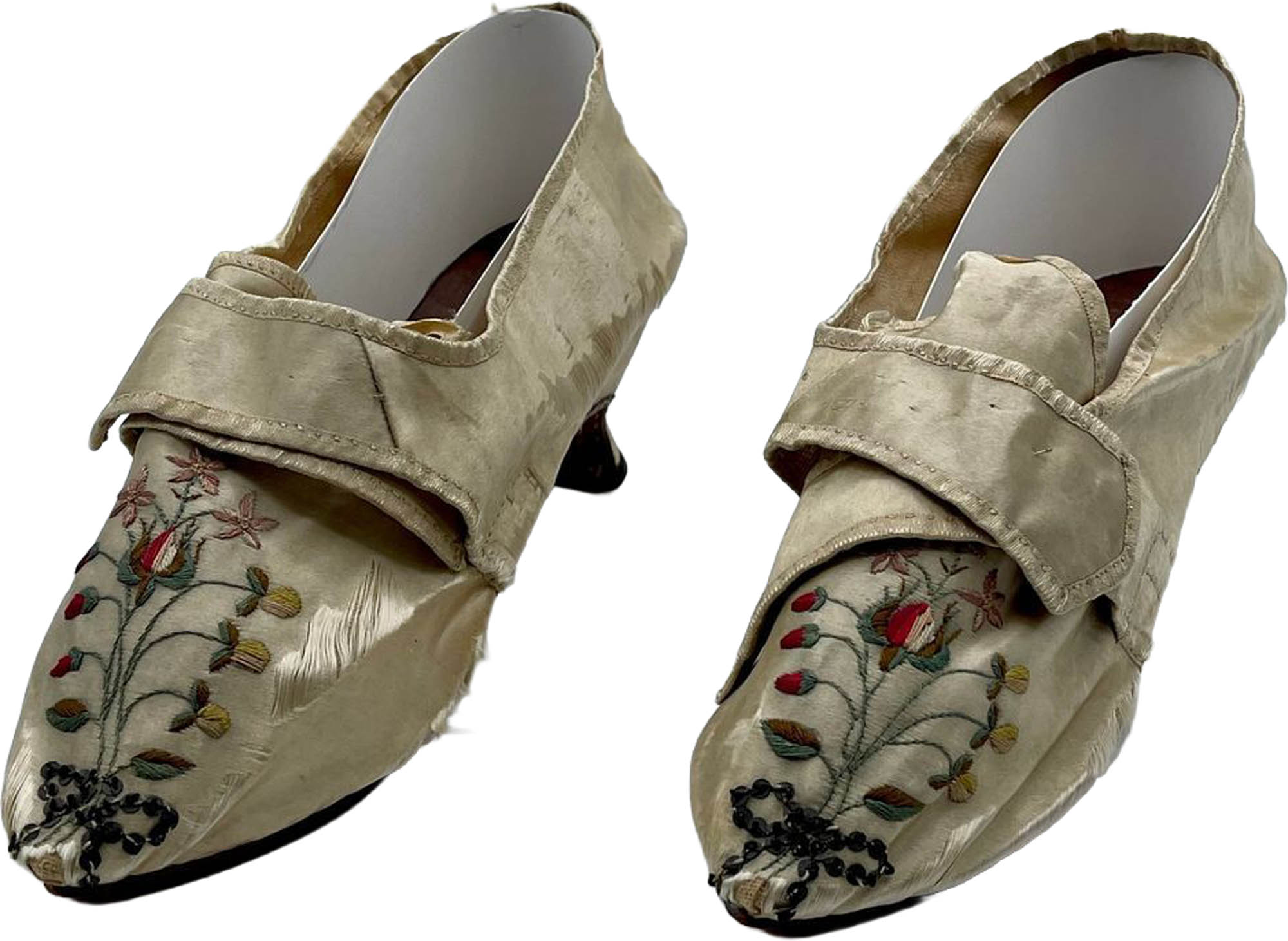
Women’s shoes
High-fashion women’s silk shoes with leather soles and intricate floral embroidery.
PM.65.61 a-b
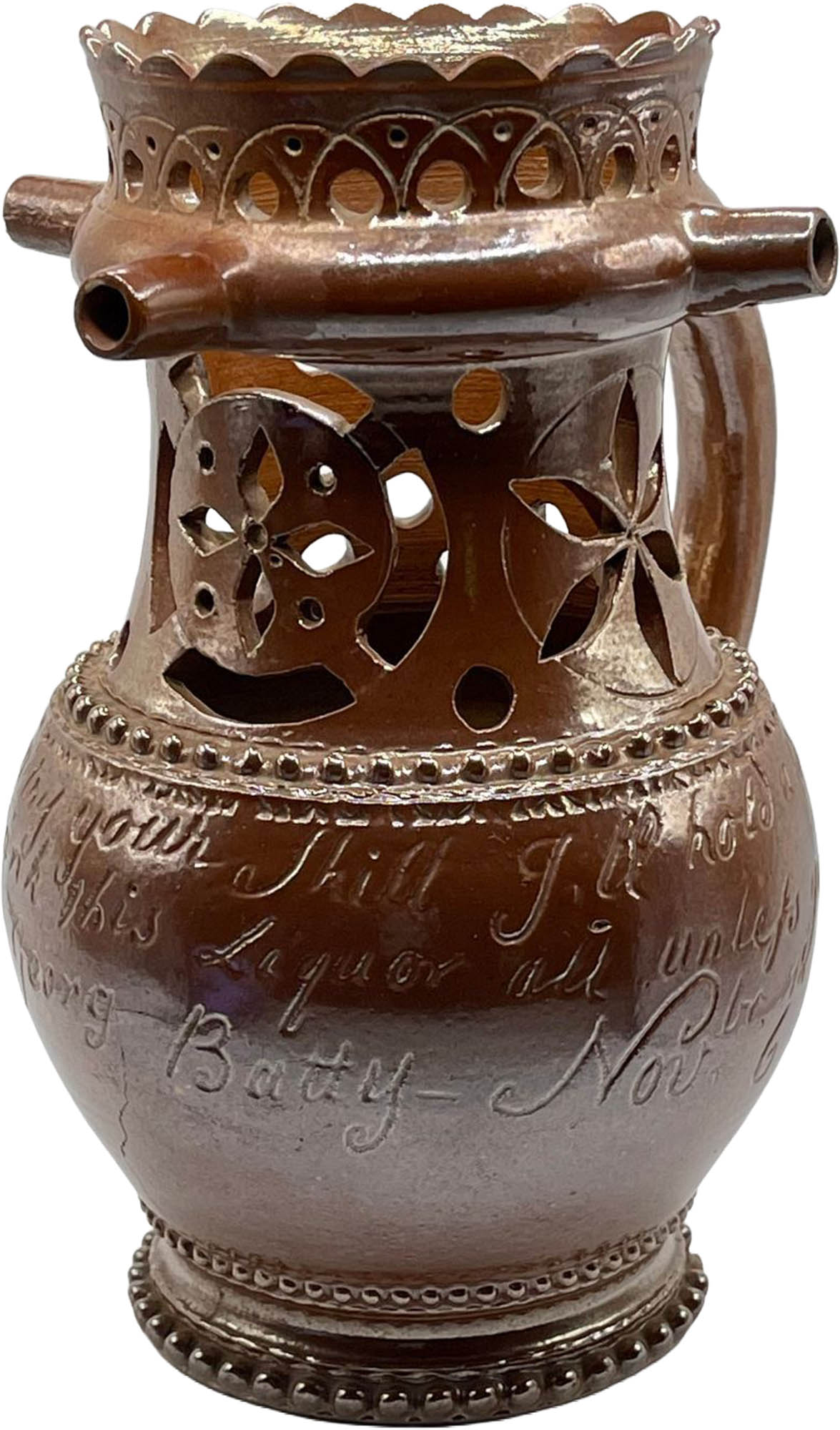
Puzzle Jug
Found in taverns, this drinking vessel is an example of what entertainment looked like in the 18th century. Patrons passed it from hand to hand to see who could drink the most and spill the least.
VC.59.120
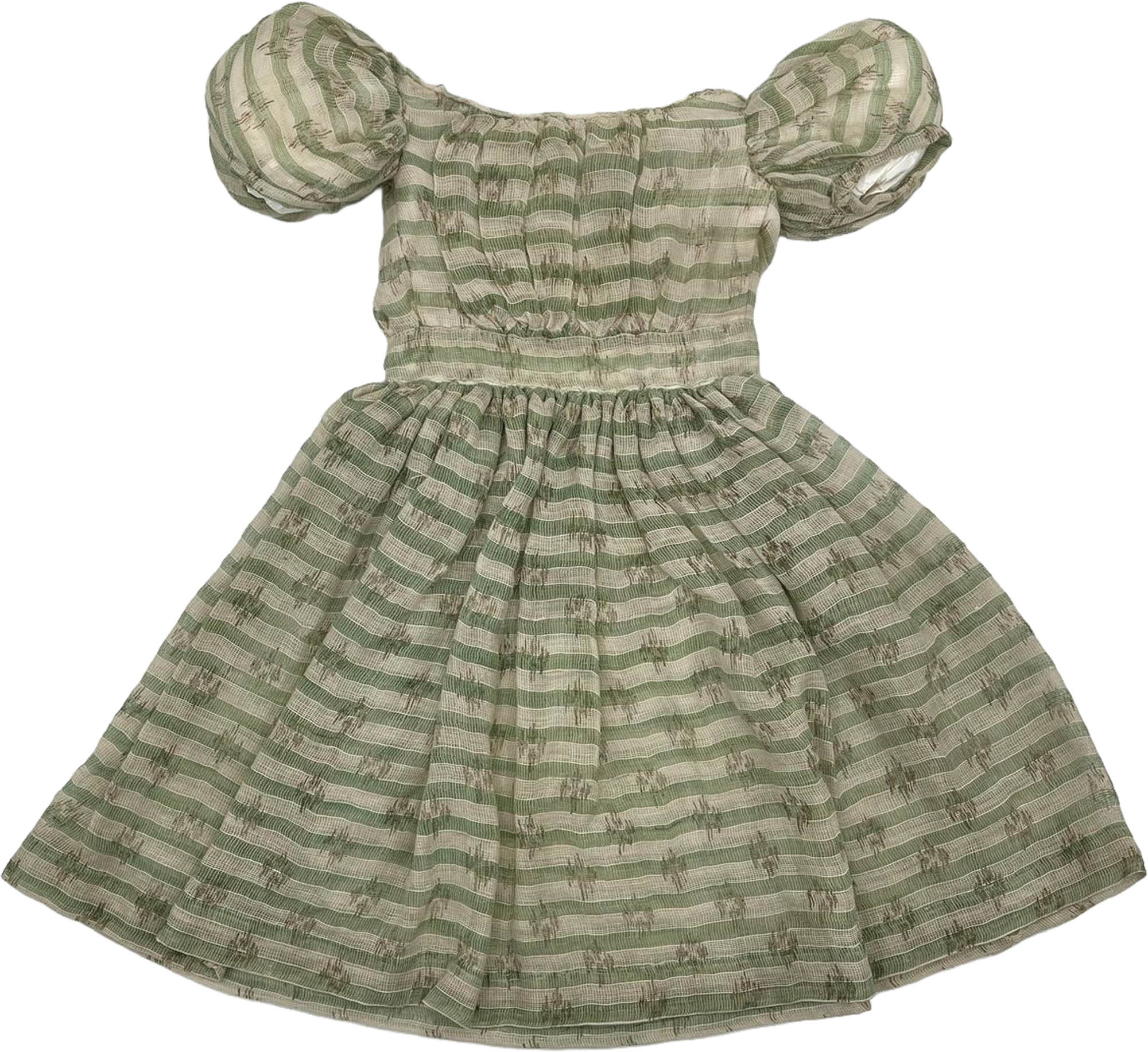
Doll dress
Dated to around 1850, this gauze dress is a miniature version of women’s fashion from that time.
SS.80.37 ff
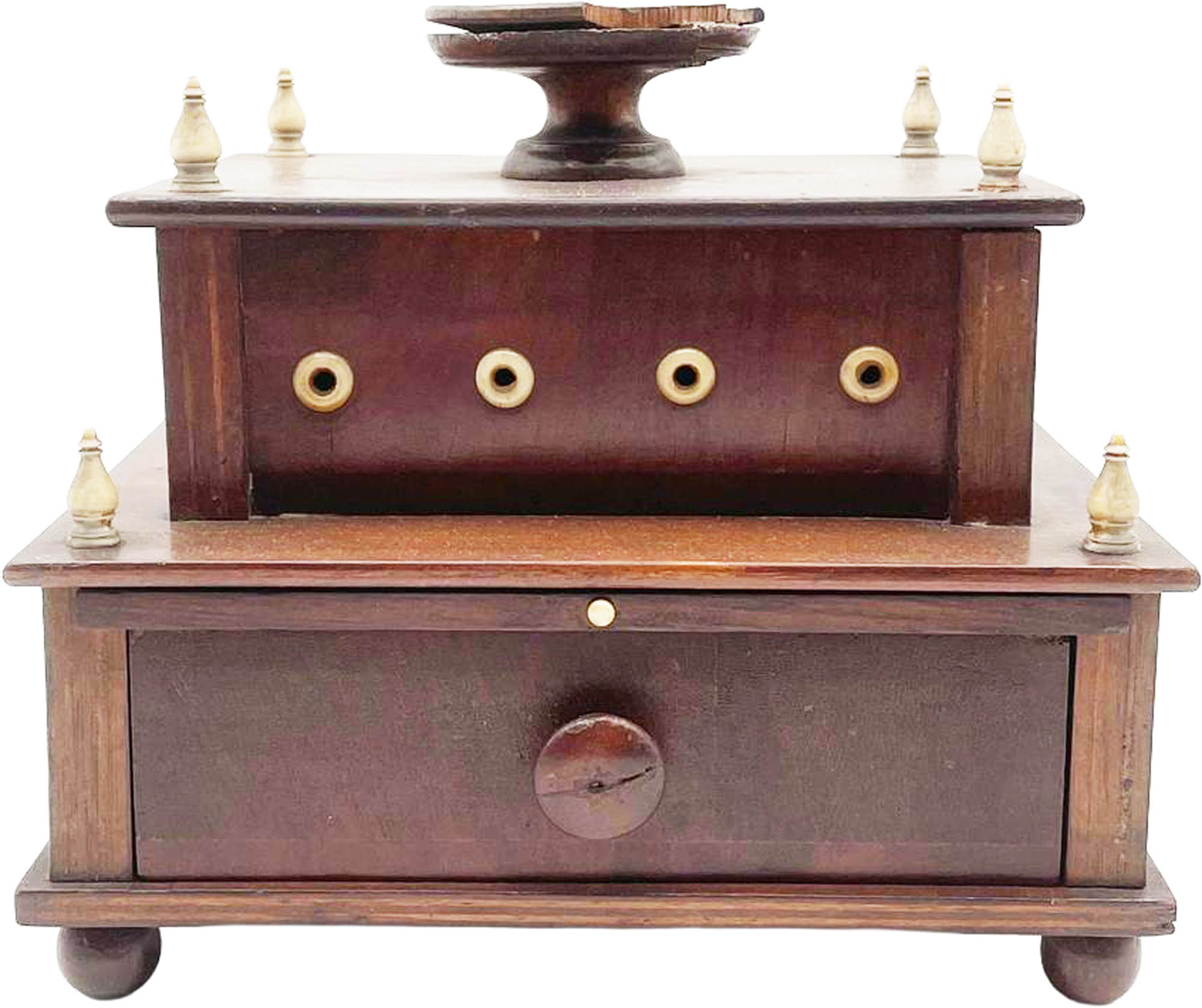
Wooden workbox
This late 19th-century mahogany-veneered pine sewing box includes ivory thread-spool holders, two drawers, and a raised central spool stand. While ornate by today’s standards, at the time this style was considered modest and practical.
SS.63.22 a-c
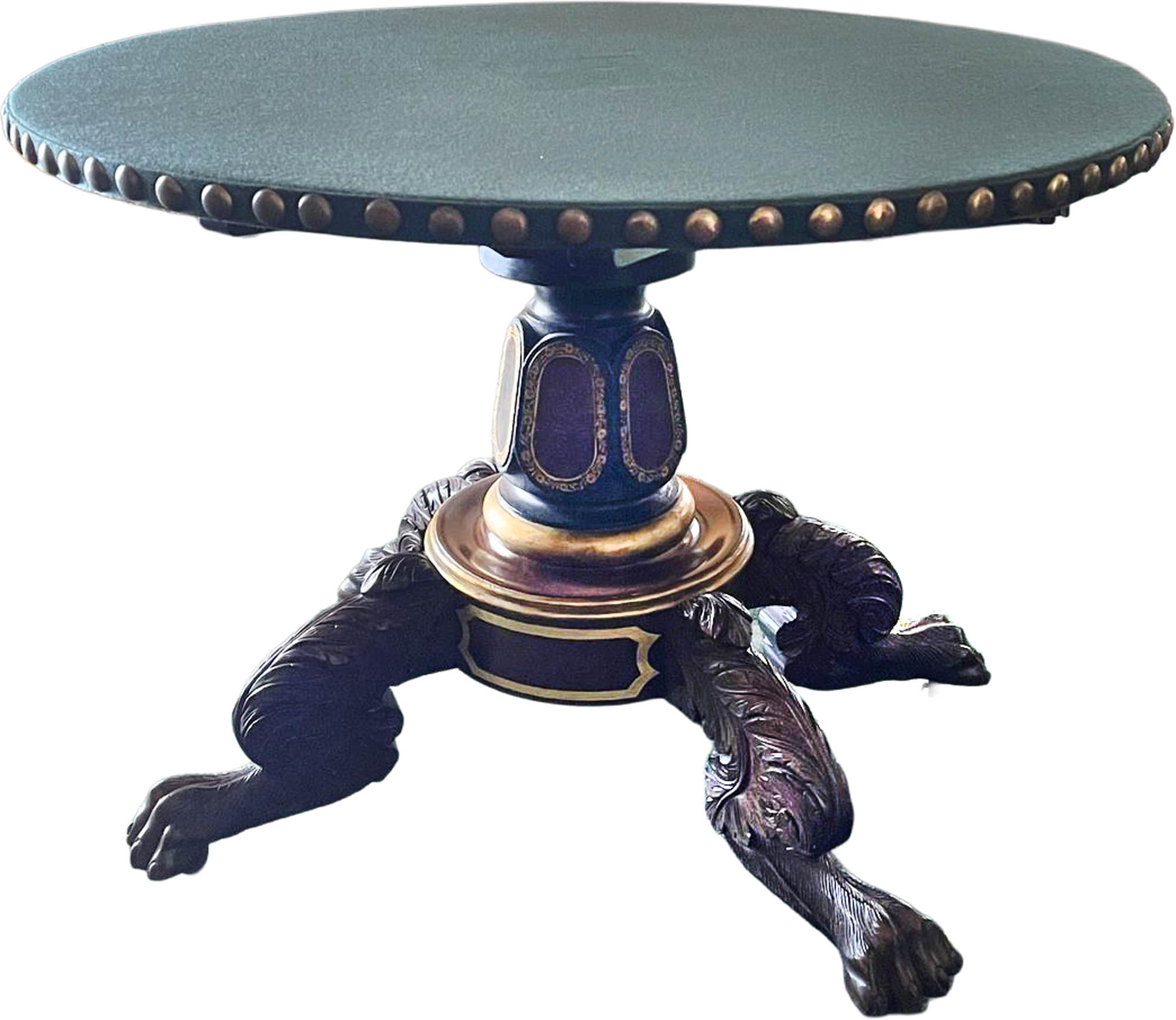
Table
A late 19th-century style round pedestal table upholstered in green baize was likely the centerpiece of the room. The heavily carved lion-style legs and paws (each with distinct toes) make us half expect this table to walk itself out of the room if it does not get the attention it deserves.
SS.90.3
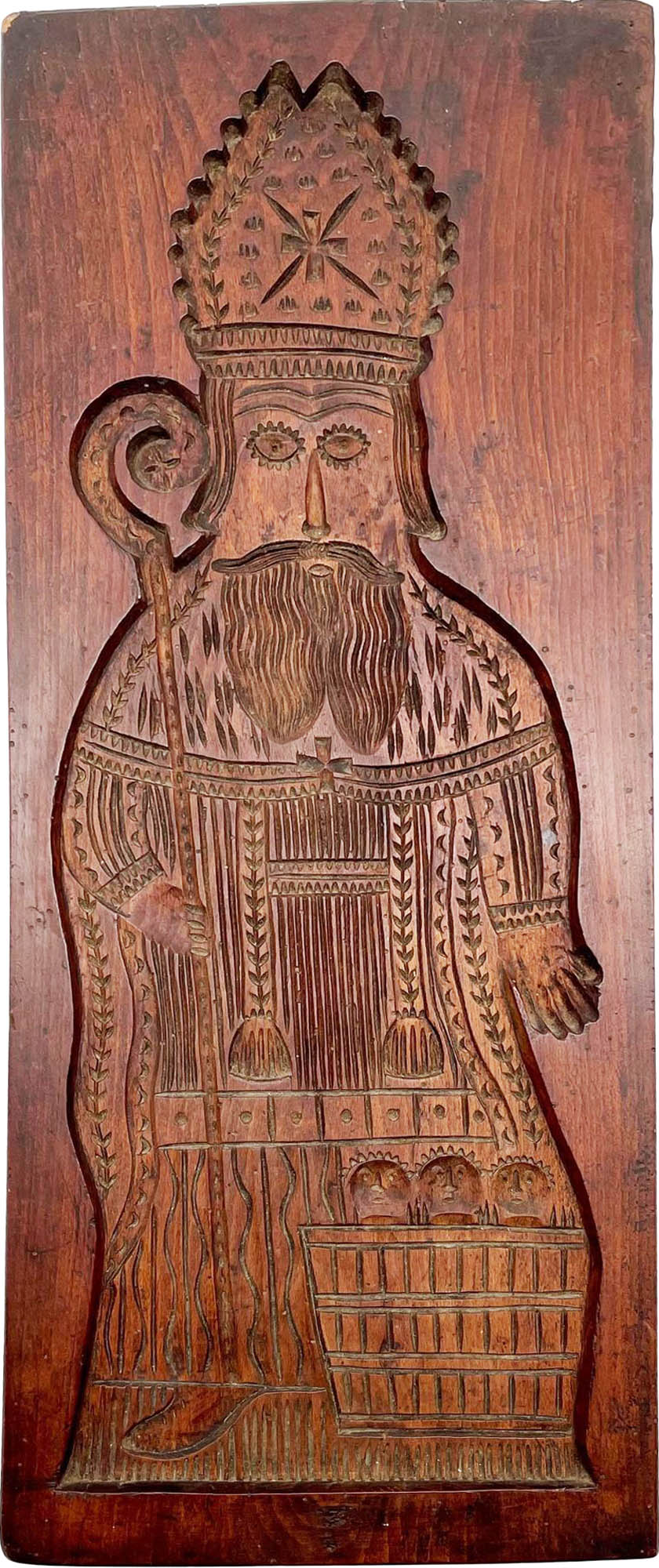
Cookie mold
A carved wooden cookie mold often used to press patterned dough before baking. This one shows Saint Nicholas of Myra in bishop’s robes and mitre, holding a crozier with three children in a pickling tub at his feet.
PM.60.135
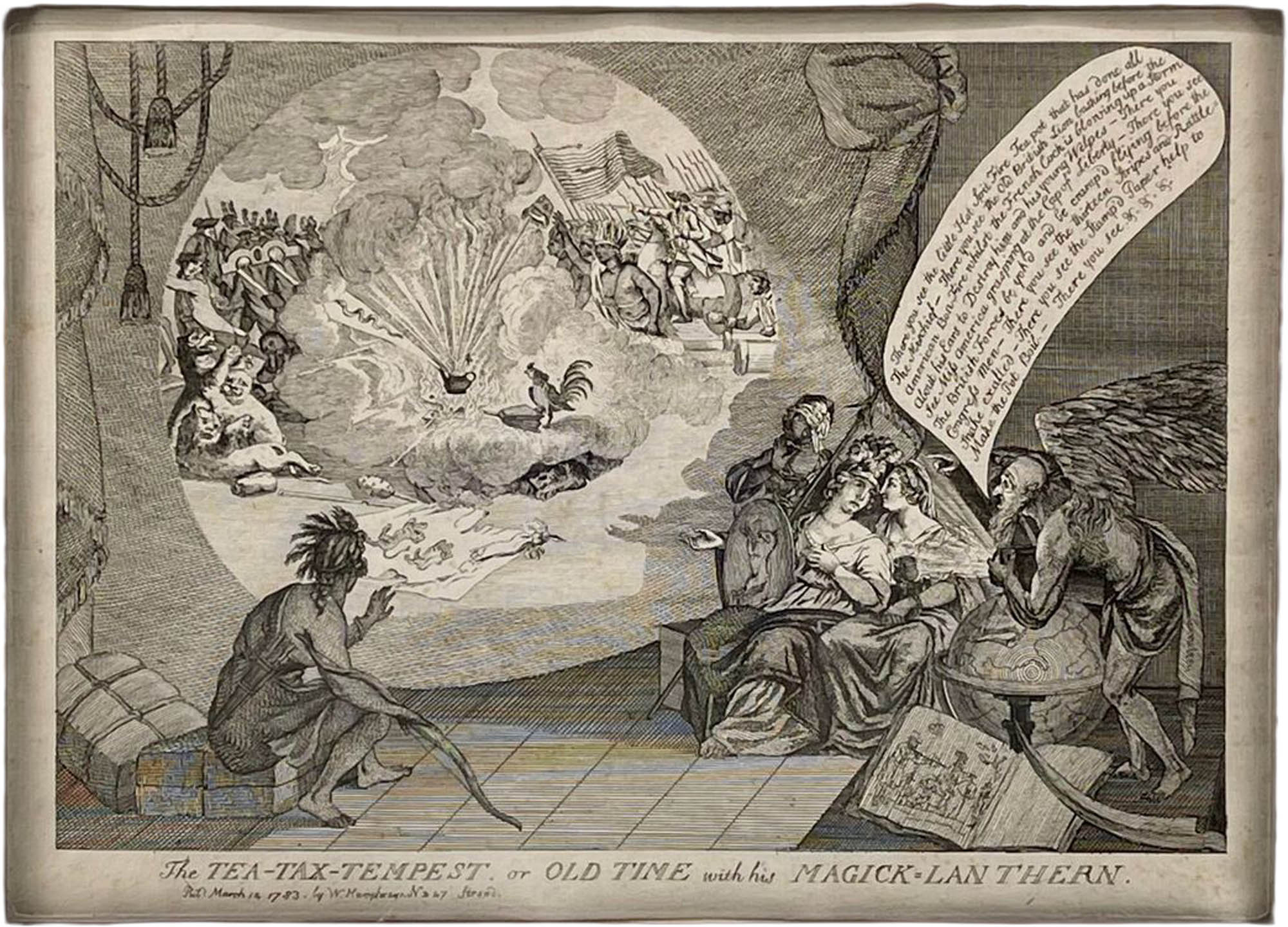
Tea-Tax-Tempest
A 1783 print (based on a piece from the previous decade) that illustrates Father Time using the original version of PowerPoint to discuss events of the Revolutionary War with his audience—figures representing America, Britain, Africa and Asia.
VC.59.253 a-b
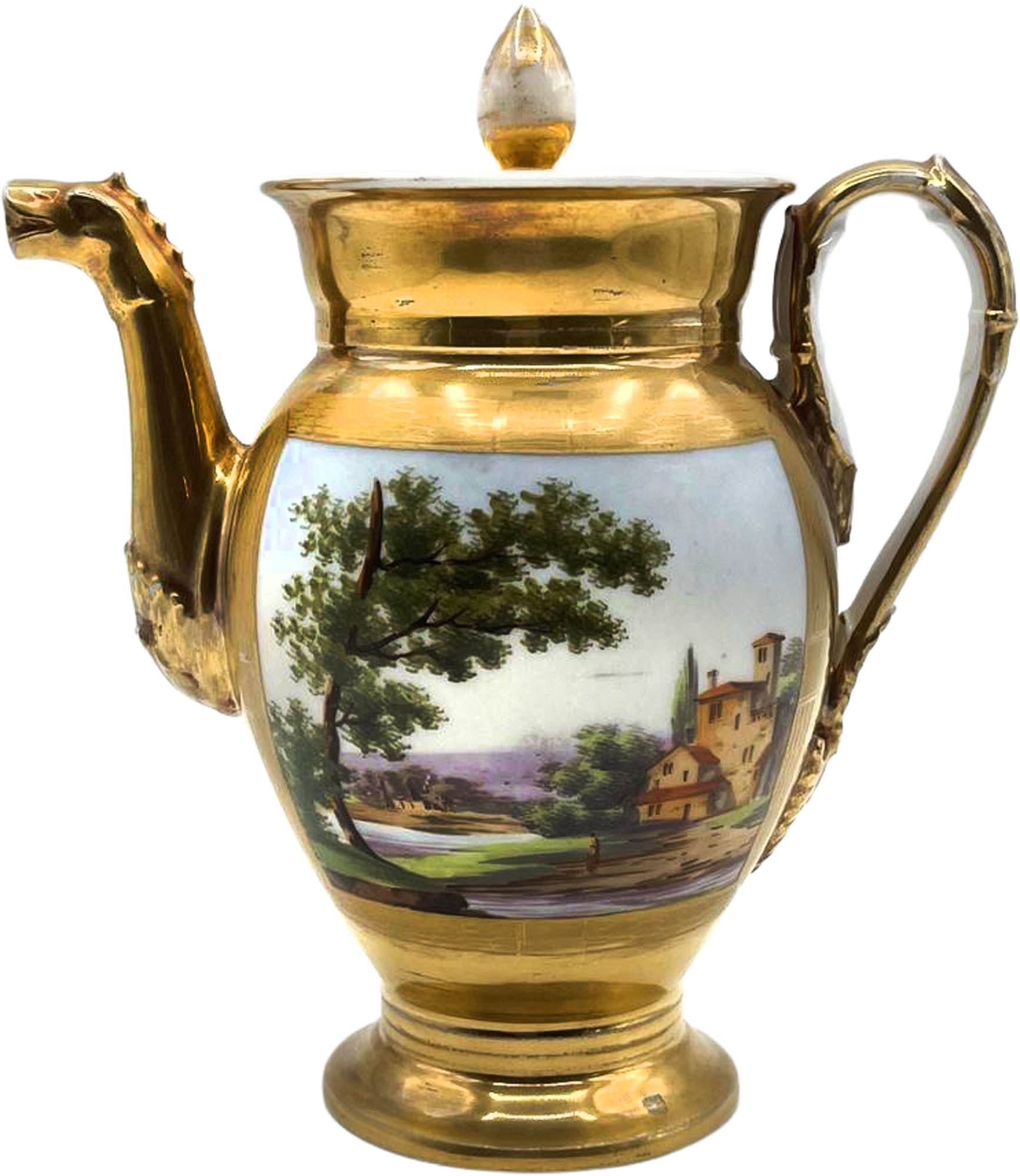
Chocolate pot
Used to serve drinking chocolate, this pot features a dragon-like spout, creating a fashionable bit of tabletop drama during the late 19th and early 20th centuries.
SS.62.182 a-b
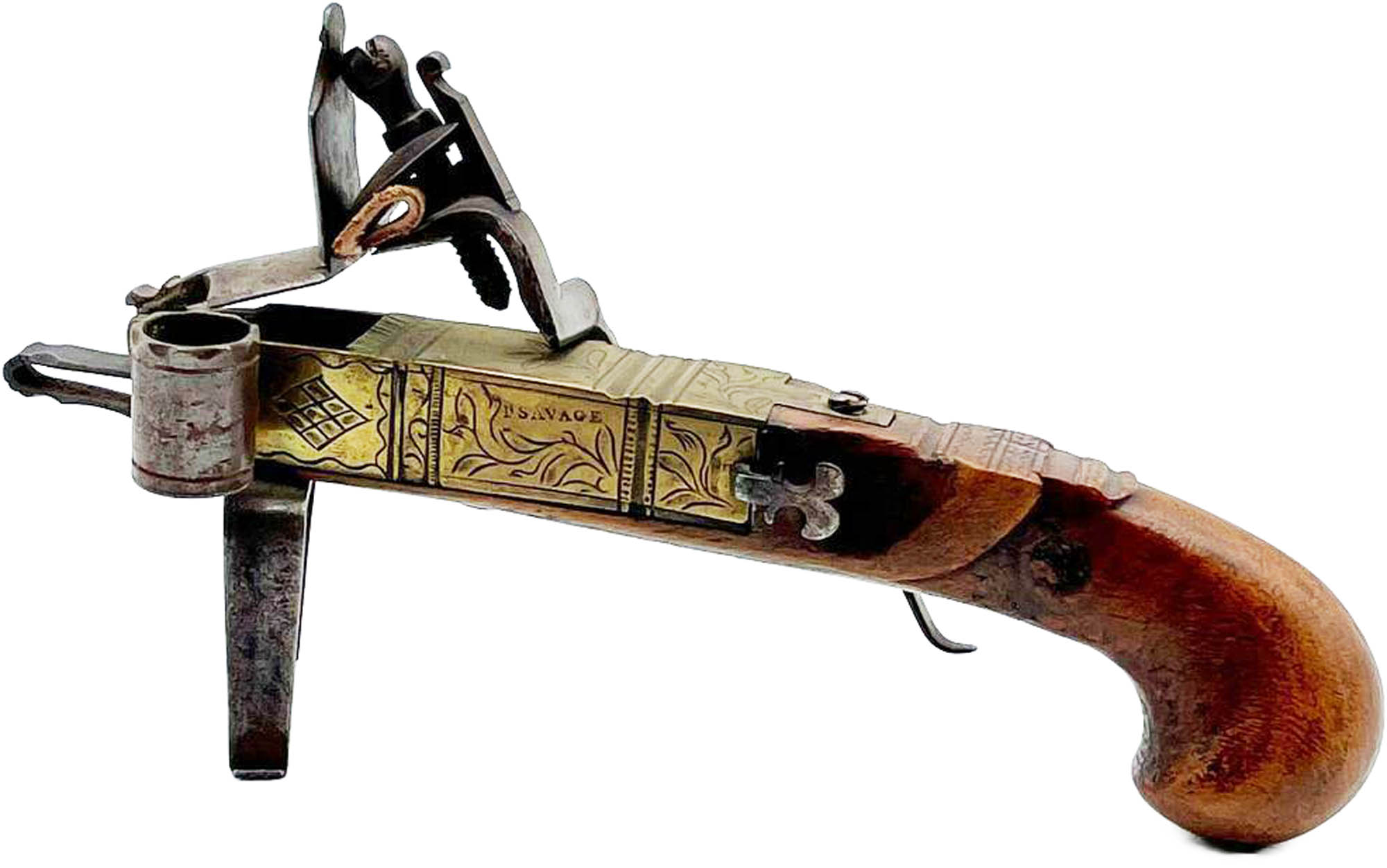
Tinder pistol
This pistol-shaped domestic fire lighter worked by pulling the trigger to create an ember that could be used to light a candle. It is brass stamped with “I. SAVAGE.”
PM.82.4
Images courtesy of Historic Hudson Valley, Pocantico Hills, NY.
This article was published in the September/October 2026 edition of Connect to Northern Westchester.

Gia Miller is an award-winning journalist and the editor-in-chief/co-publisher of Connect to Northern Westchester. She has a magazine journalism degree (yes, that's a real thing) from the University of Georgia and has written for countless national publications, ranging from SELF to The Washington Post. Gia desperately wishes schools still taught grammar. Also, she wants everyone to know they can delete the word "that" from about 90% of their sentences, and there's no such thing as "first annual." When she's not running her media empire, Gia enjoys spending quality time with friends and family, laughing at her crazy dog and listening to a good podcast. She thanks multiple alarms, fermented grapes and her amazing husband for helping her get through each day. Her love languages are food and humor.

Justin is an award-winning designer and photographer. He was the owner and creative director at Future Boy Design, producing work for clients such as National Parks Service, Vintage Cinemas, The Tarrytown Music Hall, and others. His work has appeared in Bloomberg TV, South by Southwest (SXSW), Edible Magazine, Westchester Magazine, Refinery 29, the Art Directors Club, AIGA and more.
Justin is a two-time winner of the International Design Awards, American Photography and Latin America Fotografia. Vice News has called Justin Negard as “one of the best artists working today.”
He is the author of two books, On Design, which discusses principles and the business of design, and Bogotà which is a photographic journey through the Colombian capital.
Additionally, Justin has served as Creative Director at CityMouse Inc., an NYC-based design firm which provides accessible design for people with disabilities, and has been awarded by the City of New York, MIT Media Lab and South By Southwest.
He lives in Katonah with his wonderfully patient wife, son and daughter.