
By Rinn Kress
Artwork by Justin Negard
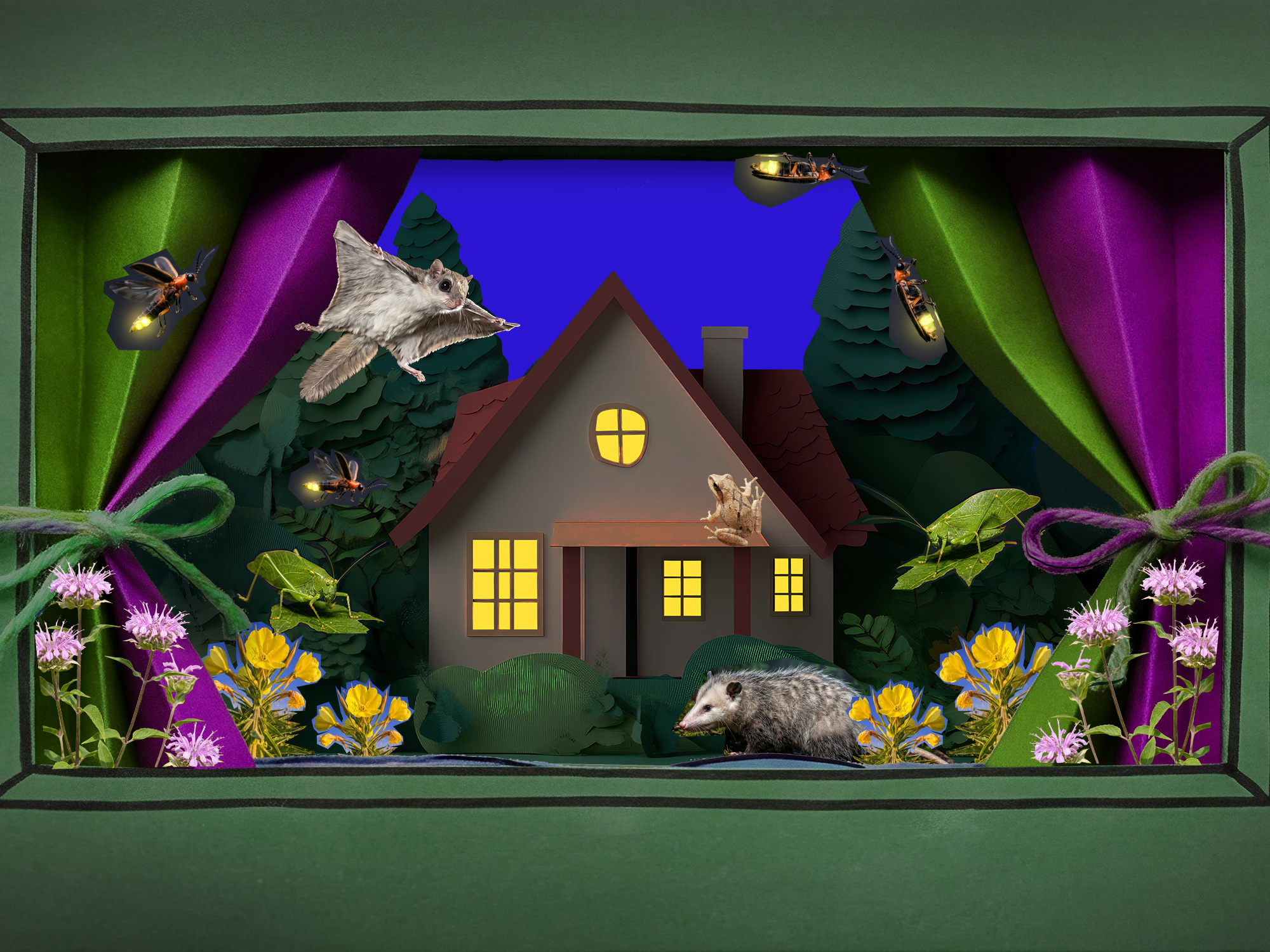
Westchester is known for being a bit on the quieter side at night—at least, where the humans are concerned. But for many local flora and fauna, sunset is when the party starts. Whether they’re singing a tune, sweetening the air or lighting up the night, these native nocturnal species can often be found right in your backyard. Next time you’re lamenting your sleepy neighborhood, take an evening stroll and keep your eyes peeled.
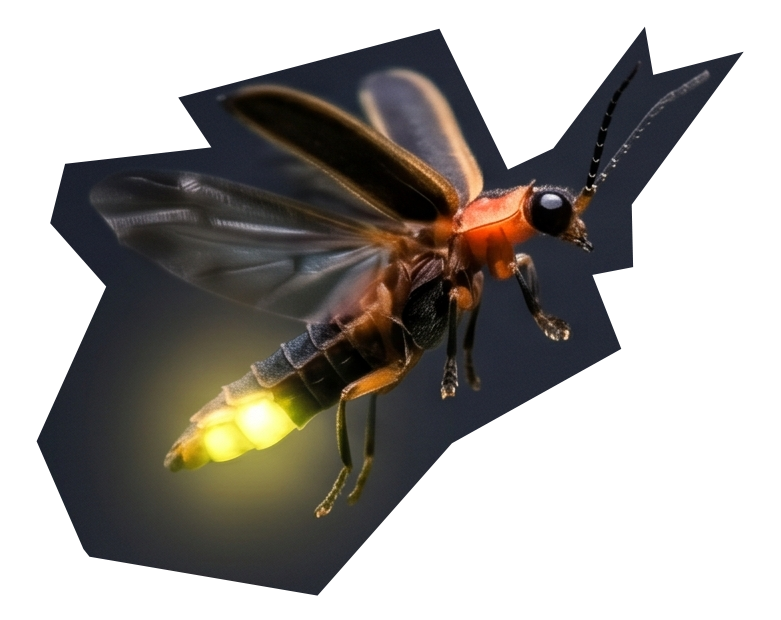
1. Firefly (Lampyridae family)
Fireflies are famous for lighting up the night, but did you know they use distinct patterns of flashing lights to communicate? It’s almost like Morse code! Their patterns may feature different durations, rhythms, heights and even colors to convey their identity, species and whether it is male or female.
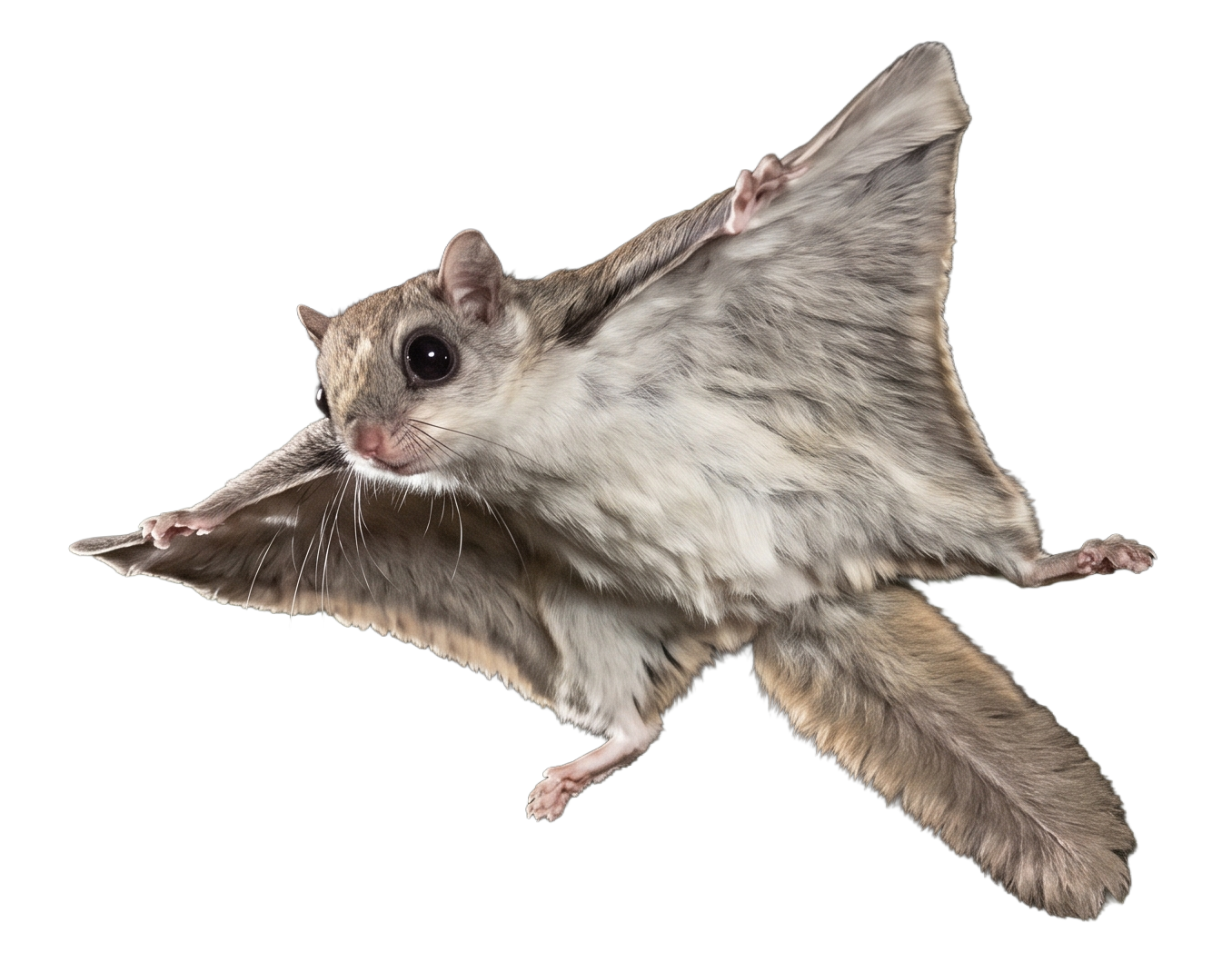
2. Southern flying squirrel (Glaucomys volans)
One of just three species of flying squirrel native to North America, the southern flying squirrel can launch itself into the air and glide between trees like a parachuter. They’re rarely seen by humans because they are active only at night, using their large, specialized eyes to navigate through the shadows.
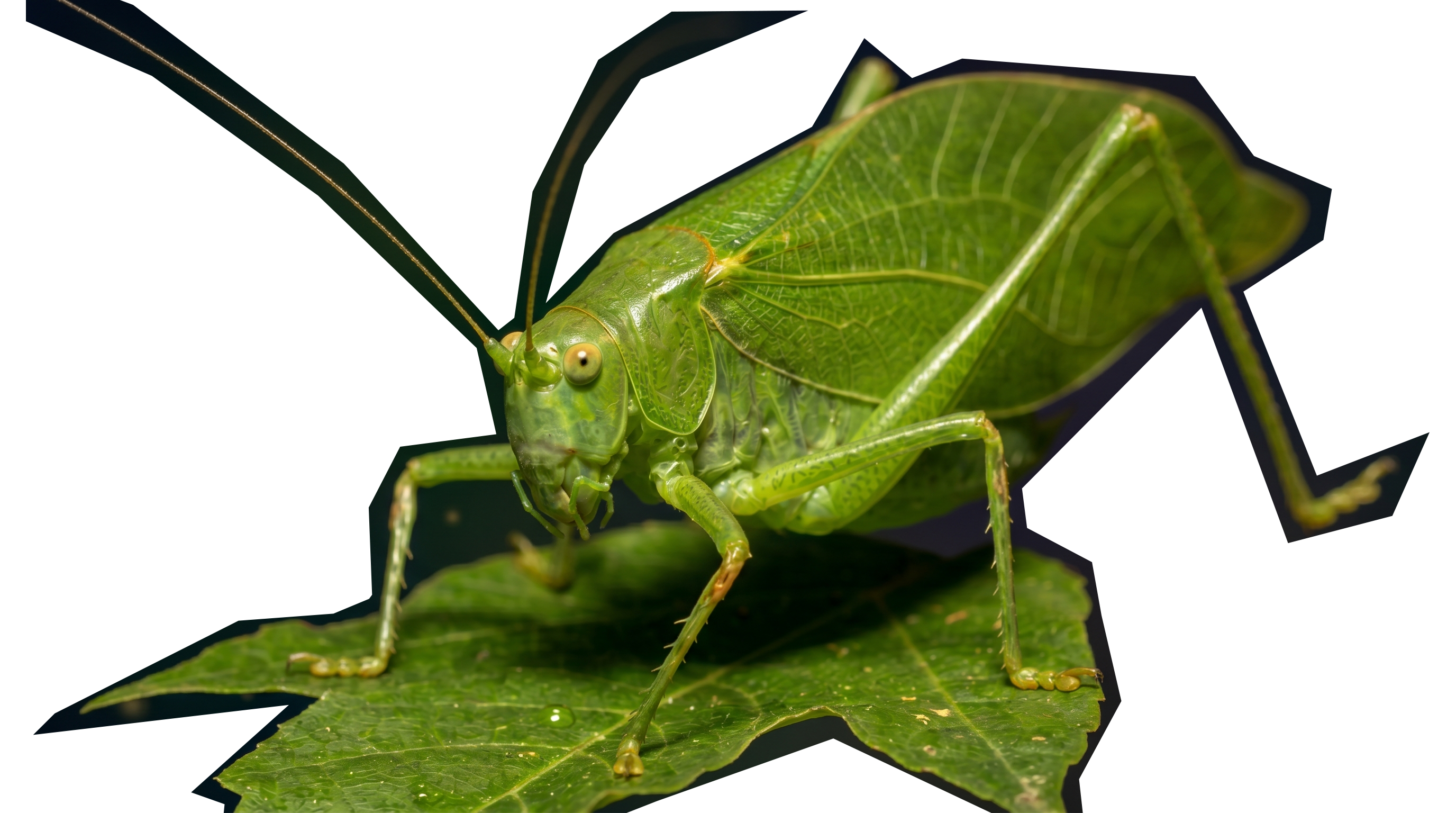
3. Common true katydid (Pterophylla camellifolia)
This bright green insect is named for its iconic three-pulse song, resembling the words, “Katy did, Katy didn’t.” This nighttime tune, made by rubbing one wing against the other, is created only by males who are trying to find a mate. Individual katydids will harmonize with one another to form duets and even compete with other groups for the best performance.
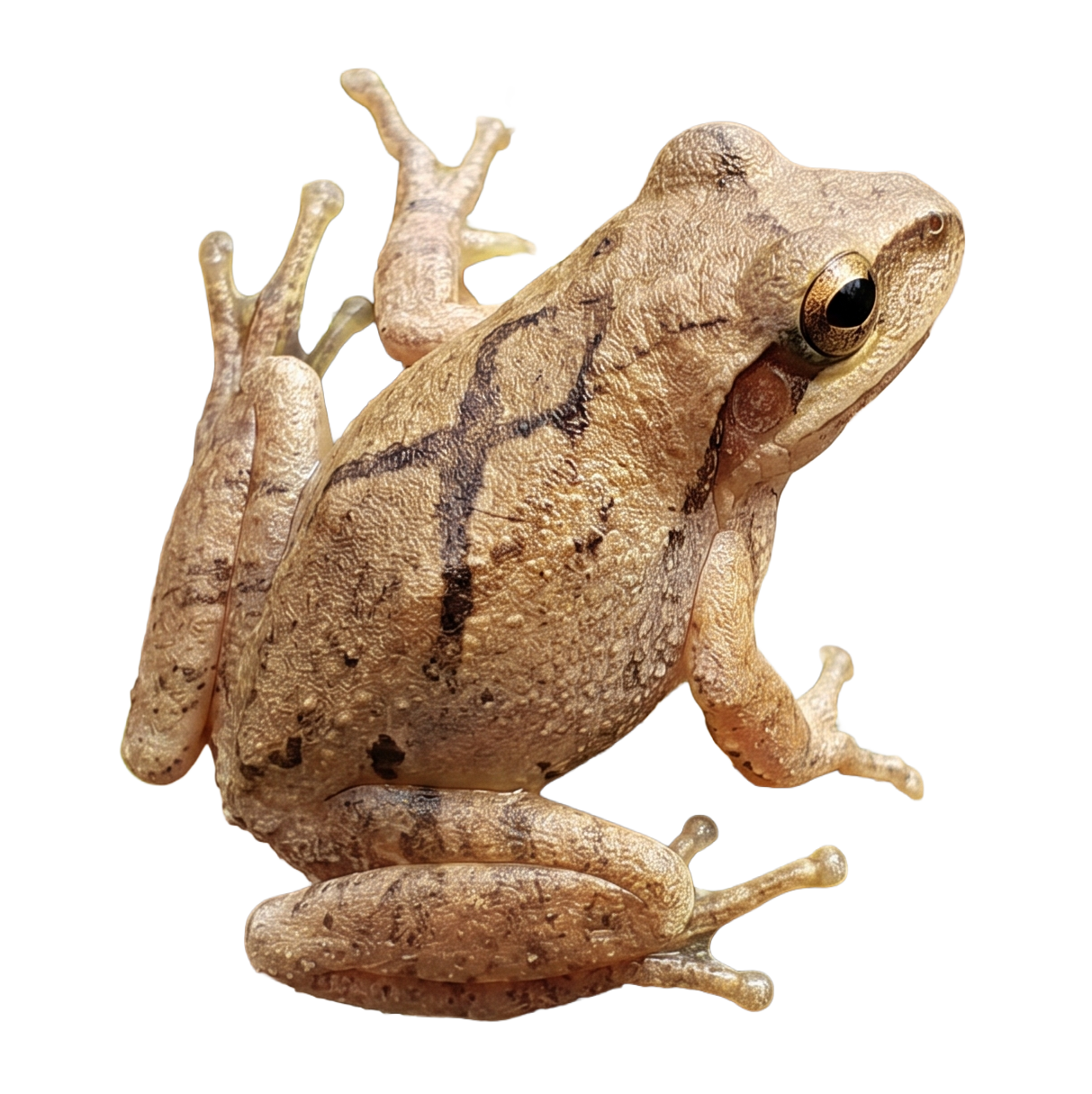
4. Spring peeper (Pseudacris crucifer)
Spring peepers are known and named for their springtime chirping, which creates a symphony similar to those made by insects. But peepers are frogs! Even though they’re hardly bigger than insects themselves—only the size of a paperclip—a male peeper can sing at a volume that reaches 90 decibels at close range.
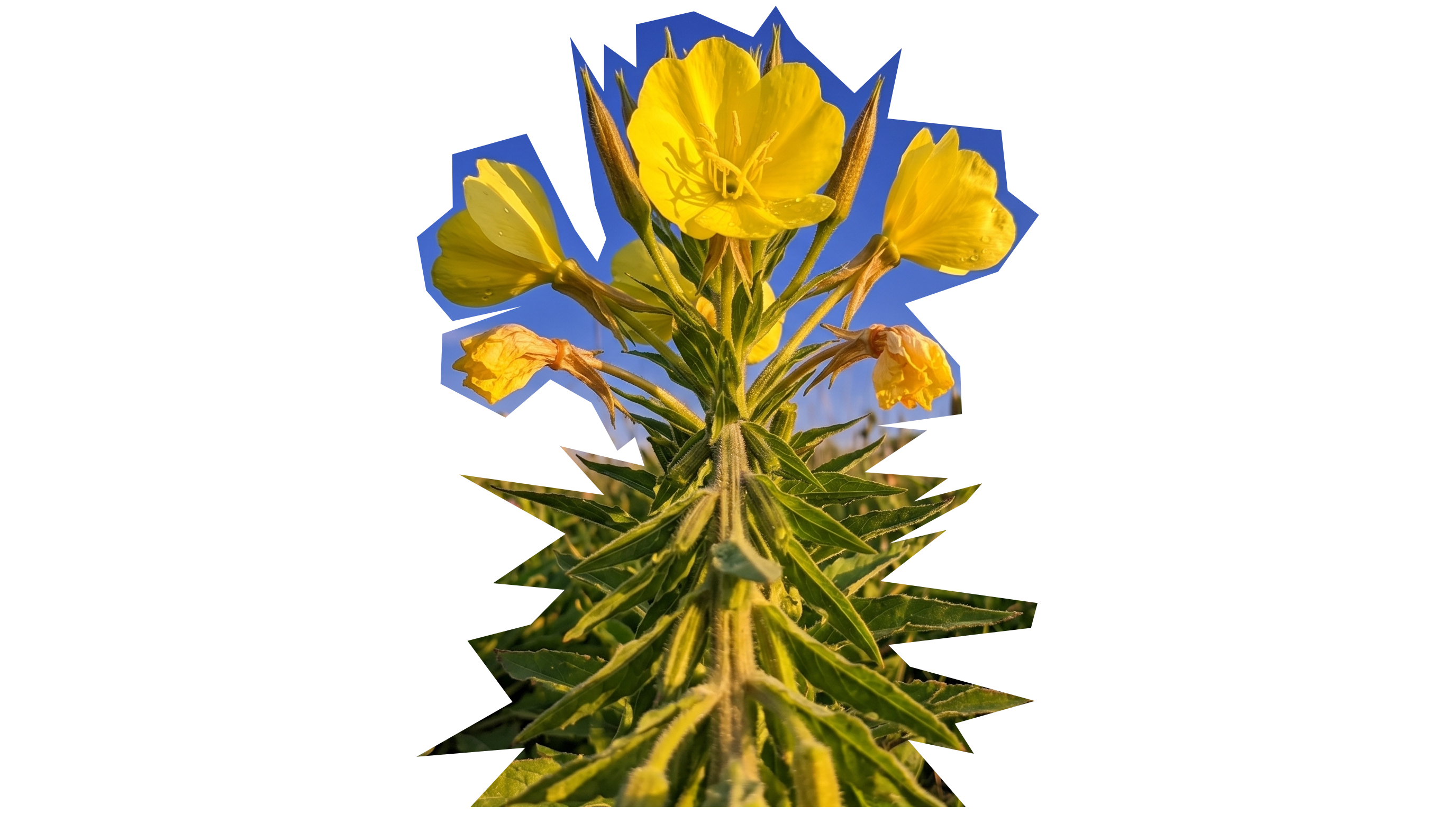
5. Common evening primrose (Oenothera biennis)
Normally, plants shift too slowly for us to really watch, but the evening primrose is the exception to that rule. These bright yellow flowers, closed up in the daytime, snap open at dusk to attract nocturnal pollinators like hawk and sphinx moths. They can open fully in just a few minutes and release a sweet jasmine-like fragrance, making them a natural spectacle.
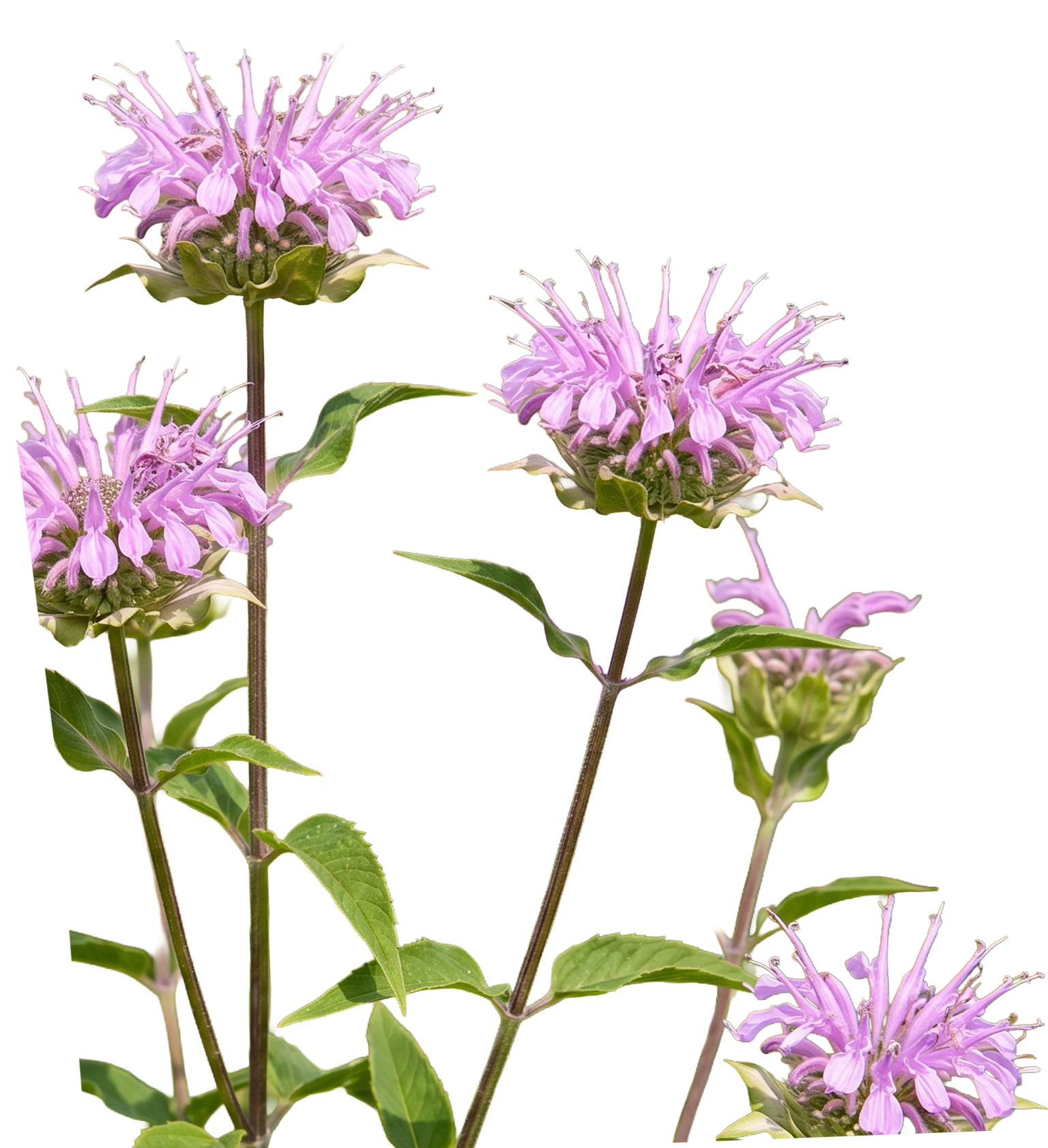
6. Wild bergamot (Monarda fistulosa)
This flower is as popular with bees, butterflies and birds as it is with gardeners. It’s a generous plant with a history in traditional medicine, and it serves as a critical larval host for many moth species that frequent the night.
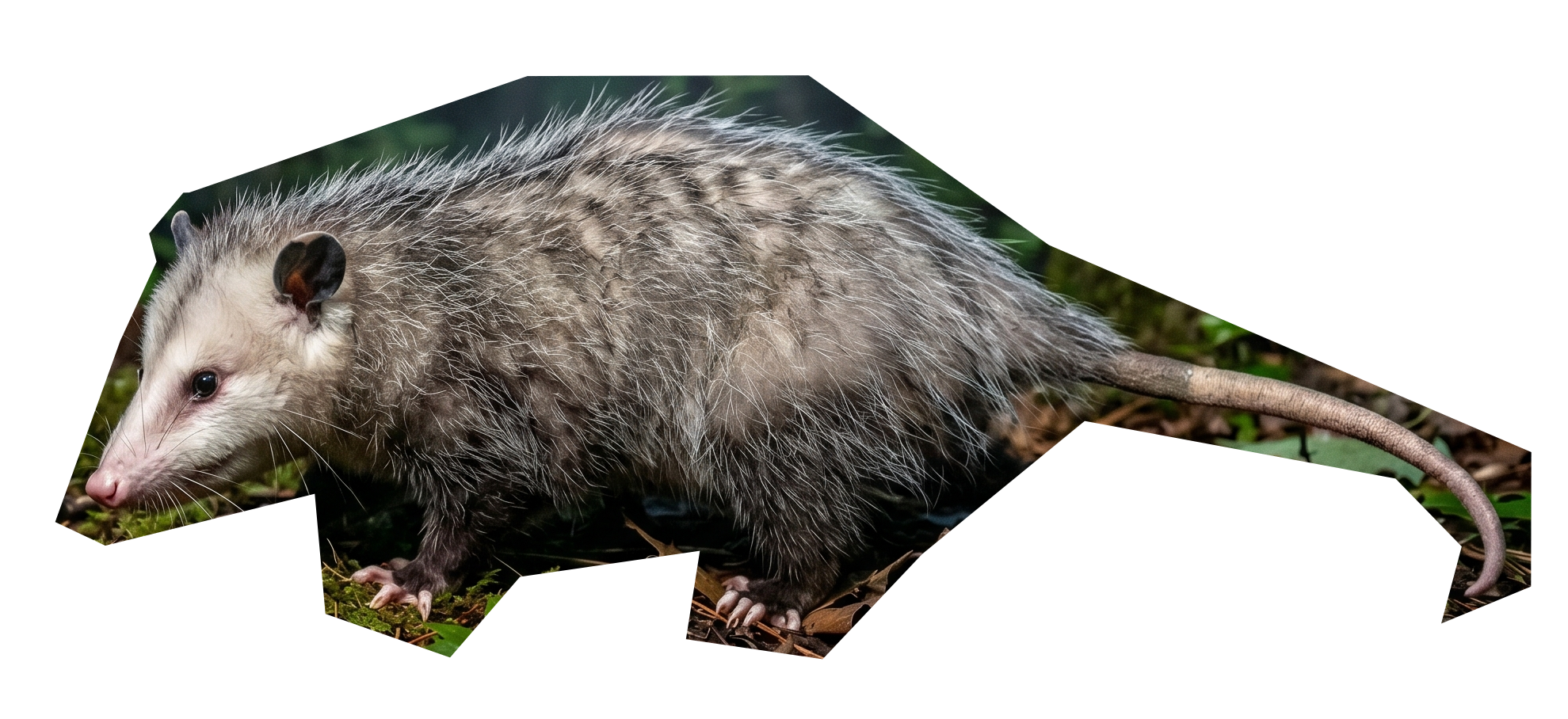
7. Virginia opossum (Didelphis virginiana)
While it’s sometimes mistaken for a rodent, the opossum is actually the only marsupial native to the United States. They’re hardy creatures, highly resistant to the venom of local snakes, and rarely contract rabies. They also have opposable “thumbs” on their hind feet, which help them climb. If you, too, like to wander around at night, you might catch a glimpse of one creeping by, foraging for food.
This article was edited by Gia Miller and fact-checked by Rinn Kress. The artist used Adobe Creative Suite.
This article was published in the July/August 2026 edition of Connect to Northern Westchester.

Rinn Kress

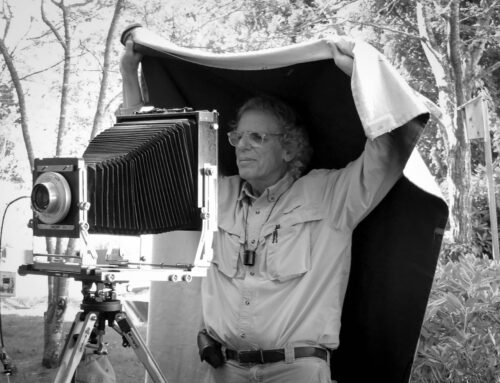
Justin is an award-winning designer and photographer. He was the owner and creative director at Future Boy Design, producing work for clients such as National Parks Service, Vintage Cinemas, The Tarrytown Music Hall, and others. His work has appeared in Bloomberg TV, South by Southwest (SXSW), Edible Magazine, Westchester Magazine, Refinery 29, the Art Directors Club, AIGA and more.
Justin is a two-time winner of the International Design Awards, American Photography and Latin America Fotografia. Vice News has called Justin Negard as “one of the best artists working today.”
He is the author of two books, On Design, which discusses principles and the business of design, and Bogotà which is a photographic journey through the Colombian capital.
Additionally, Justin has served as Creative Director at CityMouse Inc., an NYC-based design firm which provides accessible design for people with disabilities, and has been awarded by the City of New York, MIT Media Lab and South By Southwest.
He lives in Katonah with his wonderfully patient wife, son and daughter.