
Didn’t receive the issue? Subscribe here.

Sign up for our weekly newsletter highlighting local events, including live music, art exhibitions, theater, workshops, and so much more. Only the good stuff, we promise.
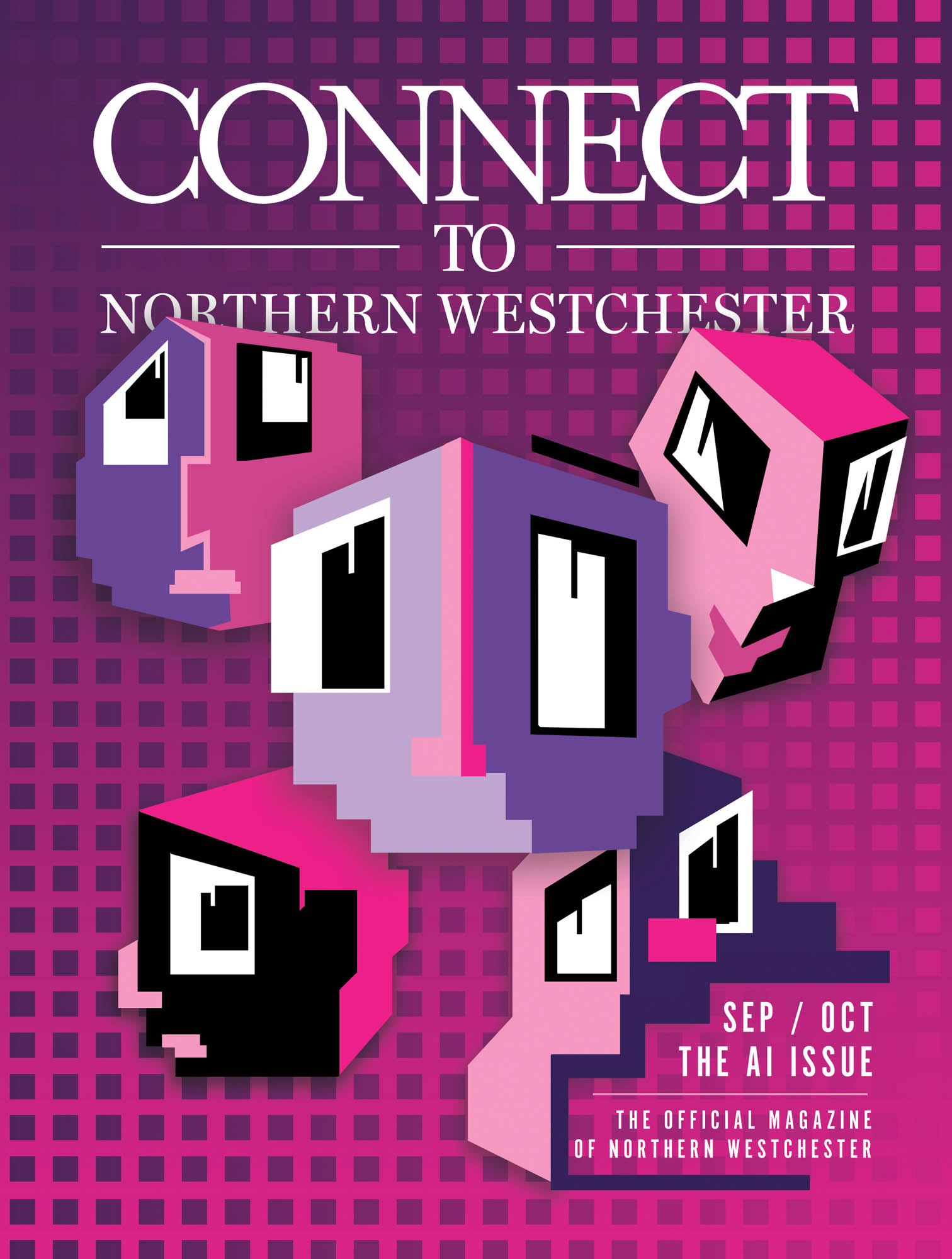
The AI Issue
September / October 2026

Want to use AI? Take a journalism class.
Spoiler alert: This letter was NOT written with AI. That’s been done so many times, and frankly, we find it insulting when, halfway through, the editor admits they “tricked you,” when really, they didn’t. This letter was written by us—two humans who have embraced AI, but not as a replacement for independent thought and creativity. And every article in this issue was also written by a human.
More importantly, this issue was written by professional journalists, which brings us to the point of this letter: We believe that everyone—whether you use AI or not—should take a journalism course. Actually, we will go one step further and say it should be required for high school graduation.
It’s not because we think everybody should become a journalist. We don’t. But the skills we learned in our journalism classes are essential for successfully navigating this new AI world, whether you are an intentional AI user or not.
Journalism teaches you to always ask questions, challenge everything you hear and read, consider what information is missing and find it, and, most importantly, verify everything.
These skills are essential when using AI, scrolling through social media or even just browsing the internet.
Large language models (LLMs) are amazing; they can answer your most pressing questions in seconds. But that doesn’t mean the answer they give you is correct. In fact, they can provide inaccurate information with surprising confidence, create believable false images and even mimic your voice. And it’s up to you to determine what is and is not real.
This is where journalism training becomes essential.
We are trained not to assume that what we hear, read or see is accurate. We check our sources. Then we corroborate the information with a second and sometimes third source. We search for other perspectives and learn to identify our own bias.
We are also taught about accountability and accuracy. Our byline appears at the top of every article we write, holding us accountable for the information we report on. For a journalist, accuracy matters above all else. We are taught to be humble—it’s okay to be wrong, as long as you correct the mistake. And we’re taught to be appreciative of the times when there’s actually a fact-checker to catch our errors (something our publication prioritizes).
We believe these skills are no longer just journalism skills. They are life skills.
Learning how to be curious and skeptical, diligent and honest, and willing to correct the record is essential when consuming or sharing any information in our world today, whether it’s around the dinner table or in a more public setting.
We don’t need everyone to become a journalist, but we do need more people to think like one.

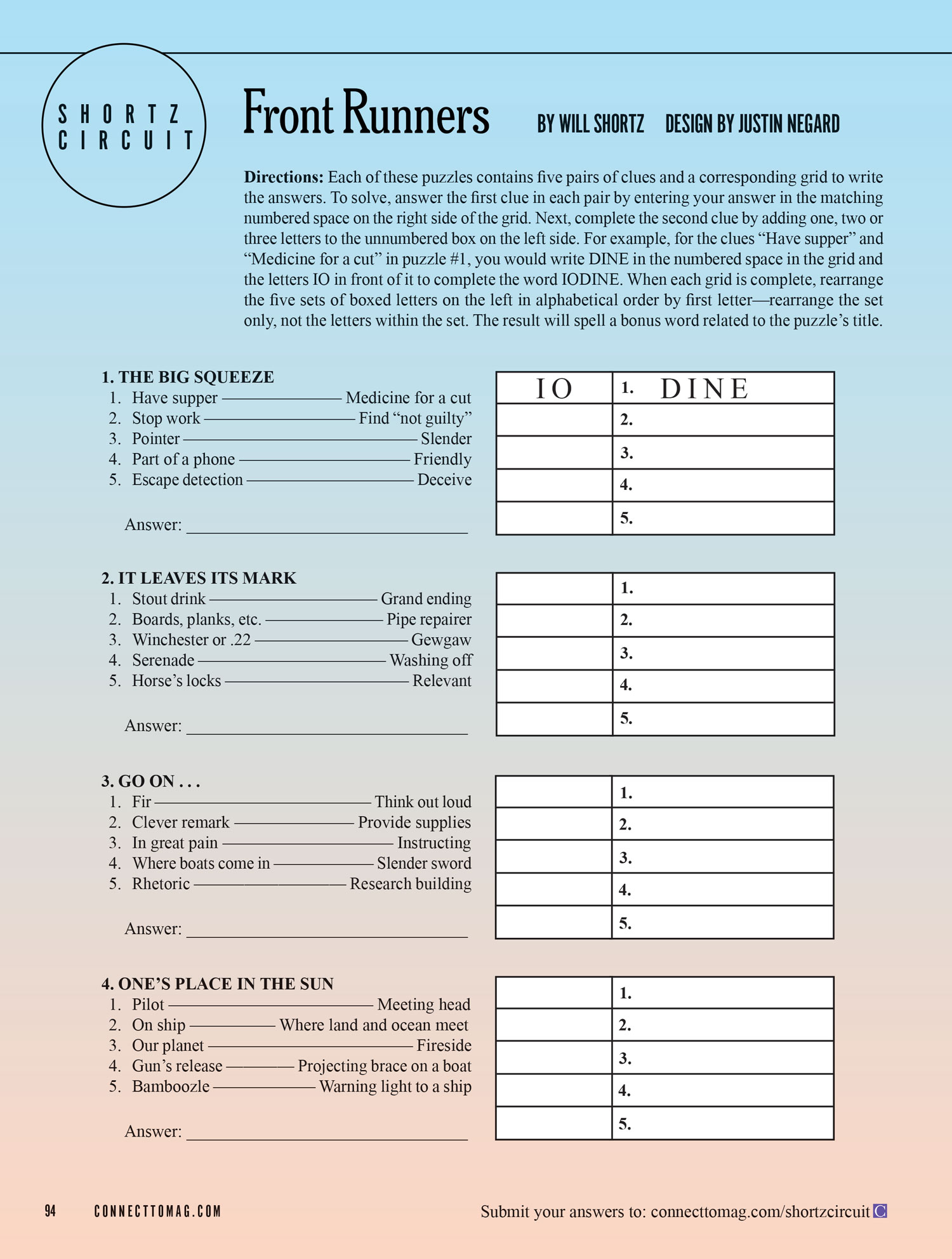
What’s In This Issue
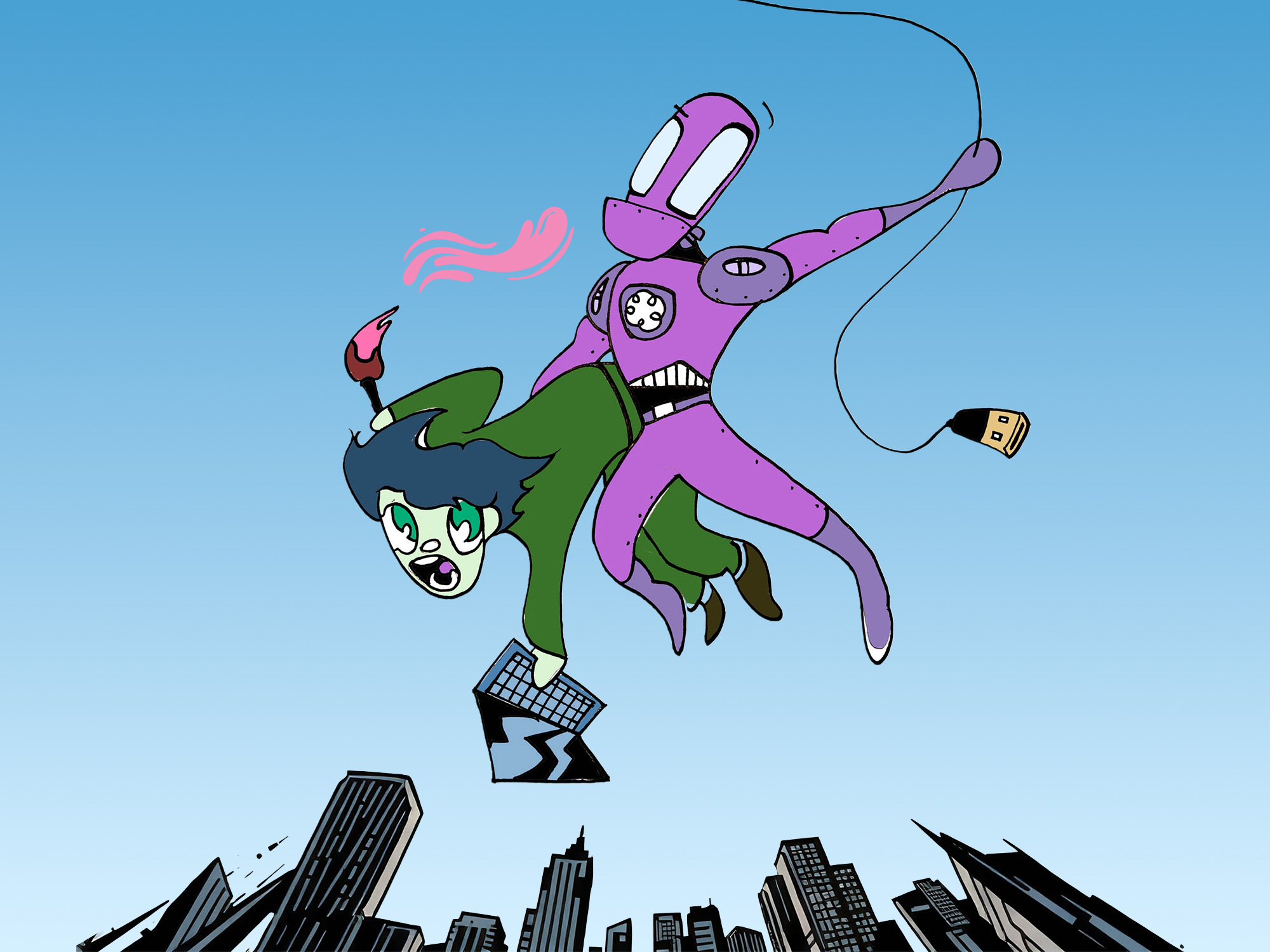
Crossing the Uncanny Valley
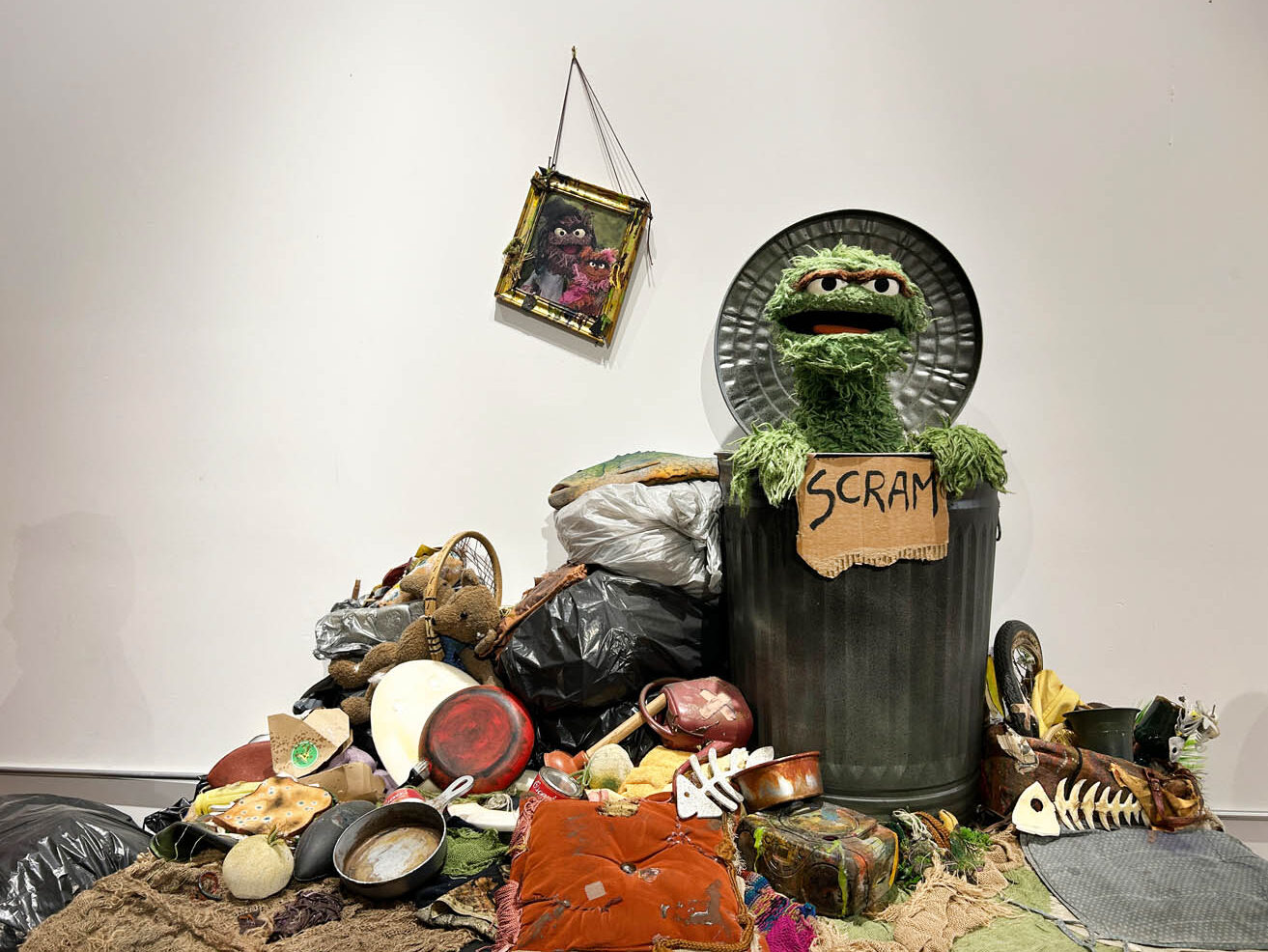
A Day at Jim Henson’s Creature Shop
AI IQ—Busywork? Give it to AI.
Don’t Start with Policy, Start with Purpose

Are Data Centers as Harmful as We’ve Been Told?
Can AI Be Regulated?
5 Things You Should Know About for September/October 2026

What Does It Mean To Be American?

The AI Challenge
AI 101