
Writing and Photography by Gia Miller
When you tell someone you’re going to Corning for the weekend, odds are good they’ll respond with, “Like the glass?” And the answer, of course, is, “Yes, like the glass.” And while the Corning Museum of Glass (CMoG) is definitely a must-see-and-do, the town does have more to offer. There’s the Smithsonian-affiliated Rockwell Museum (no, not Norman), a bustling downtown full of shops and restaurants, and even a Wegmans if you want to stock up on favorites before you leave. But still, the main part of your visit will be spent at the CMoG, which can easily be a two- or three-day experience depending on how much you want to see, do and learn.
So as you binge-watch all four seasons of Netflix’s “Blown Away” to prepare for your visit to CMoG, we also recommend you agree on how many glass figurines you’ll make or buy, sign up for classes in advance, and repeatedly tell your kids that “look, don’t touch” is critical unless told otherwise. Then pack up the car and head four hours upstate to immerse yourself in a world of glass, with a bit of American art and wine thrown in for good measure.
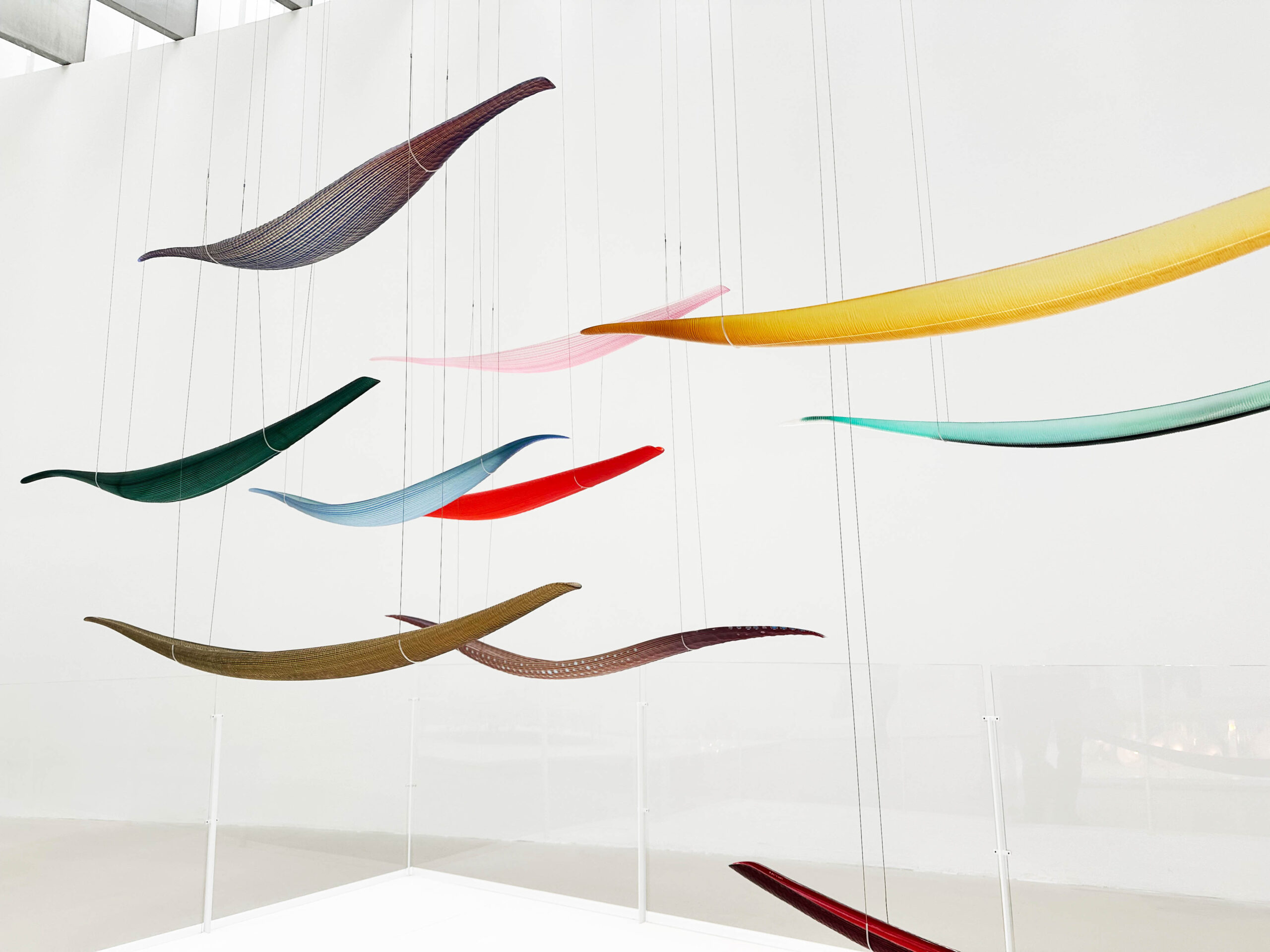
“Endeavor” abstract shapes by Lino Tagliapietra.
A town defined by water
“We think of glass as such a strong, inert material,” says N. Astrid R. van Giffen, FIIC, a conservator at CMoG. “Yet the thing that causes it to deteriorate is basically water, which we also think of as inert. I love that contradiction.” This is an apt metaphor for the town of Corning. It’s a place that’s divided into two distinct periods: before the 1972 flood and after. This flood, the result of Tropical Storm Agnes, is noted in various signs or plaques marking the water level, mentioned in almost every historical tale, and even gets a full retelling from tour guides.
Back in the 1800s, before the flood, the town of Corning was known for two things: lumber and cigars, both thanks to the Chemung River. Loggers floated their products down the river for folks in smaller towns to cut them into lumber for building. Farmers in Corning planted acres and acres of tobacco, which they harvested and dried for cigars. By 1887, the town’s 12 cigar-making companies produced over half a million cigars, mainly thanks to a workforce comprised of girls and women. In fact, women even owned several of the cigar-making companies. Over time, the demand for cigars decreased, and deforestation killed the lumber industry. Farmers began growing other crops and raising cattle on their land, and Corning transitioned into a “railroad town,” mainly transporting coal.
Meanwhile, in 1868, a business called Corning Glass Works (now Corning, Inc.) moved its Brooklyn operation upstate and continued to grow, making glass for consumer use (light bulbs, tableware and everyday bottles) and specific industries, like railroads (heat-resistant glass for products like signal lanterns) and scientific labs (thermometers and other laboratory items). The town of Corning was officially established in 1892, and then, 80 years later, towards the end of June 1972, it began to rain.
“We had rain for almost two weeks,” remembers Ronald Hodge, the town historian and fire chief for the North Corning Fire Department at the time. “It would come down heavy, let up, then come down heavy again.” On June 23, the Chemung River burst. “The water got up to 22 or 23 feet in the town, and there was about five feet of water rushing down Market Street. A lot of houses floated right off their foundations! Once the rain stopped, there was debris, rotted furniture and spoiled food floating down the streets. It took a long time to clean everything up; it was a big mess.”
Hodge says many residents temporarily moved into their family’s homes in nearby towns during the almost two years it took for Corning to recover and homes to be rebuilt. Corning Glass Works donated a considerable amount of money to the city’s recovery effort, which many attribute to the city’s economic survival. In 1974, the Market Street Restoration Agency was formed to do exactly what the name says: restore the historic downtown. Today, the area is known as the Gaffer District, and the organization boasts over 250 members. They hold numerous annual events and live concerts.
-
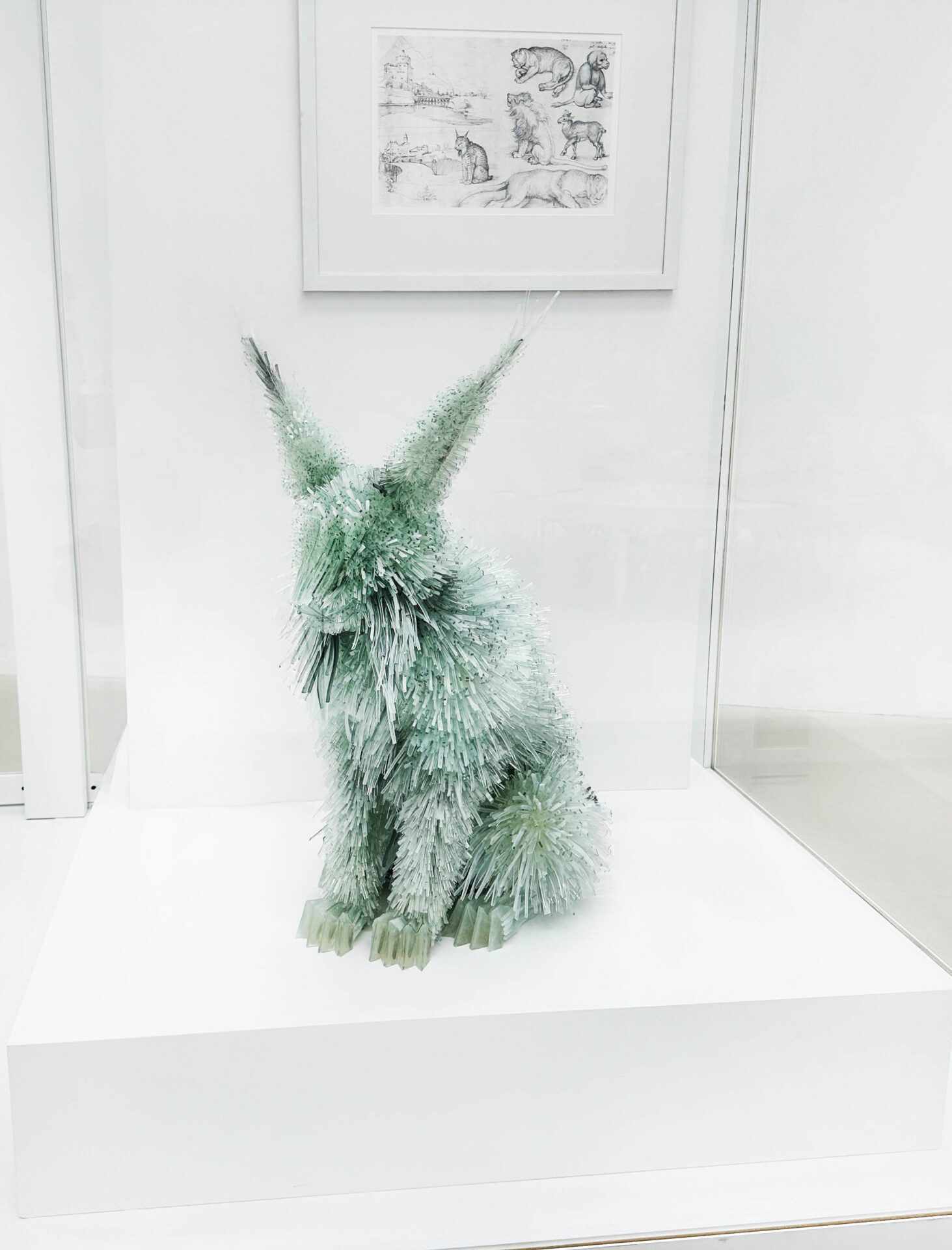
- “Lynx,” by Marta Klonowska.
-
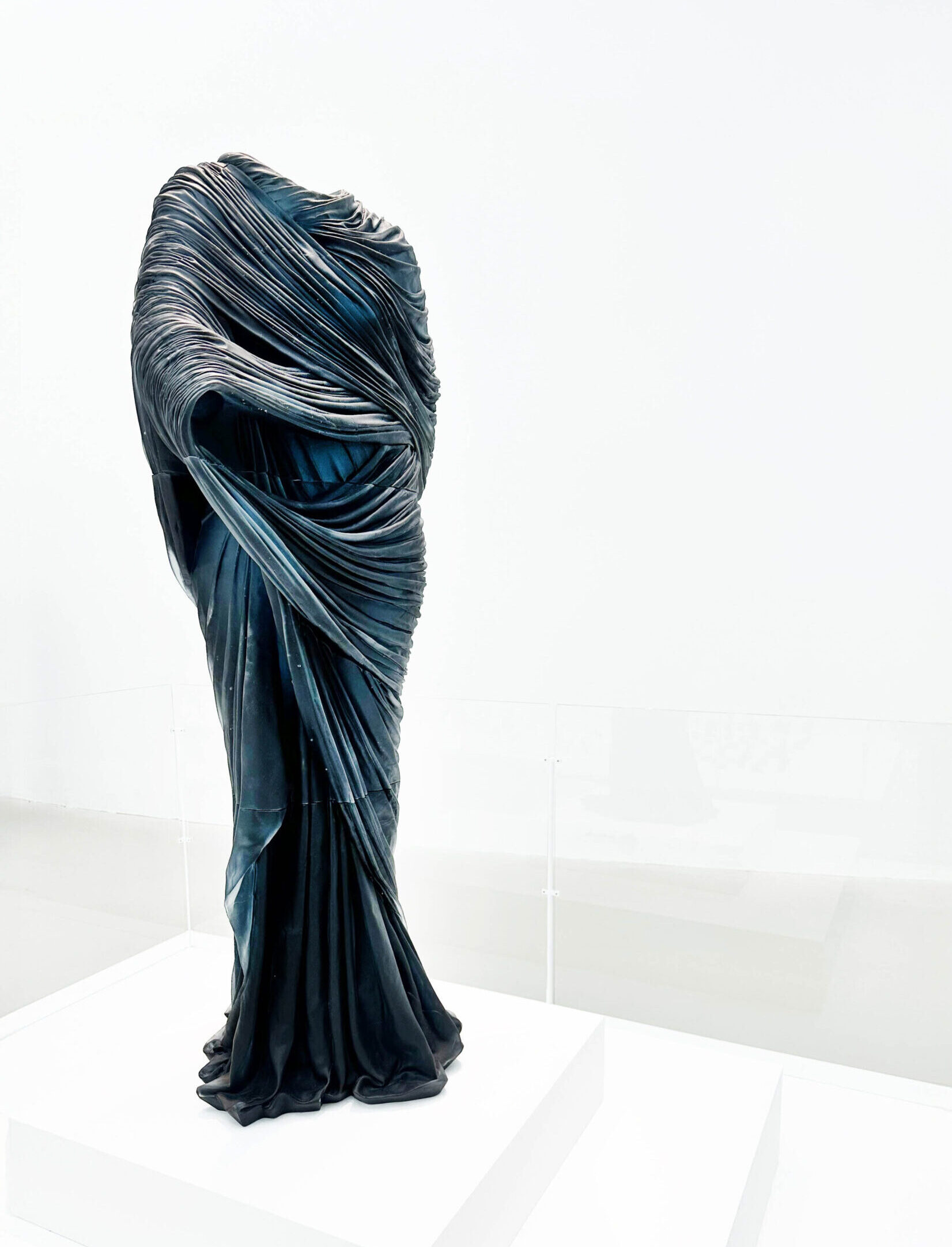
- “Nocturne 5,” by Karen LaMonte.
Immerse yourself in the world of glass
Let’s start the to-do list with the obvious: The Corning Museum of Glass (CMoG). Founded in 1951, CMoG holds the world’s most comprehensive glass collection (over 50,000 objects from the past 3,500 years), along with the world’s library of record on glass with both public and private archives. There’s something for the history buff, science and technology lovers, and those who appreciate art. Plus, it’s free to everyone ages 17 and under.
First thing’s first: If you want to try your hand at any form of glassmaking (etching, fusing, engraving, blowing, etc.), book your sessions in advance because classes do fill up. And be aware that some classes require you to pick up your completed project a day later so it has time to cool, so plan accordingly. Classes range in price from $15 to $52, with the exception of in-depth glassblowing, which is $150 and only for those aged 16 and older. They’re a fun way to start, break up or end a day at CMoG, and many visitors do take more than one class. All classes are held in The Studio, which is a separate building right behind CMoG.
Now, let’s explore the museum. If science and technology are your thing, start with CMoG’s Innovation Galleries on the third floor. It’s filled with hands-on exhibits and demonstrations that will leave you with a true appreciation for everything glass can do. Here, you can learn how the quest to create an accurate thermometer led to the invention of heat-resistant glass, how a housewife’s broken casserole led to the creation of Pyrex® glass bakeware and how inventors finally succeeded in making windows what they are today (it’s not as simple as it may seem). There are also glass-breaking and flameworking demos on this floor.
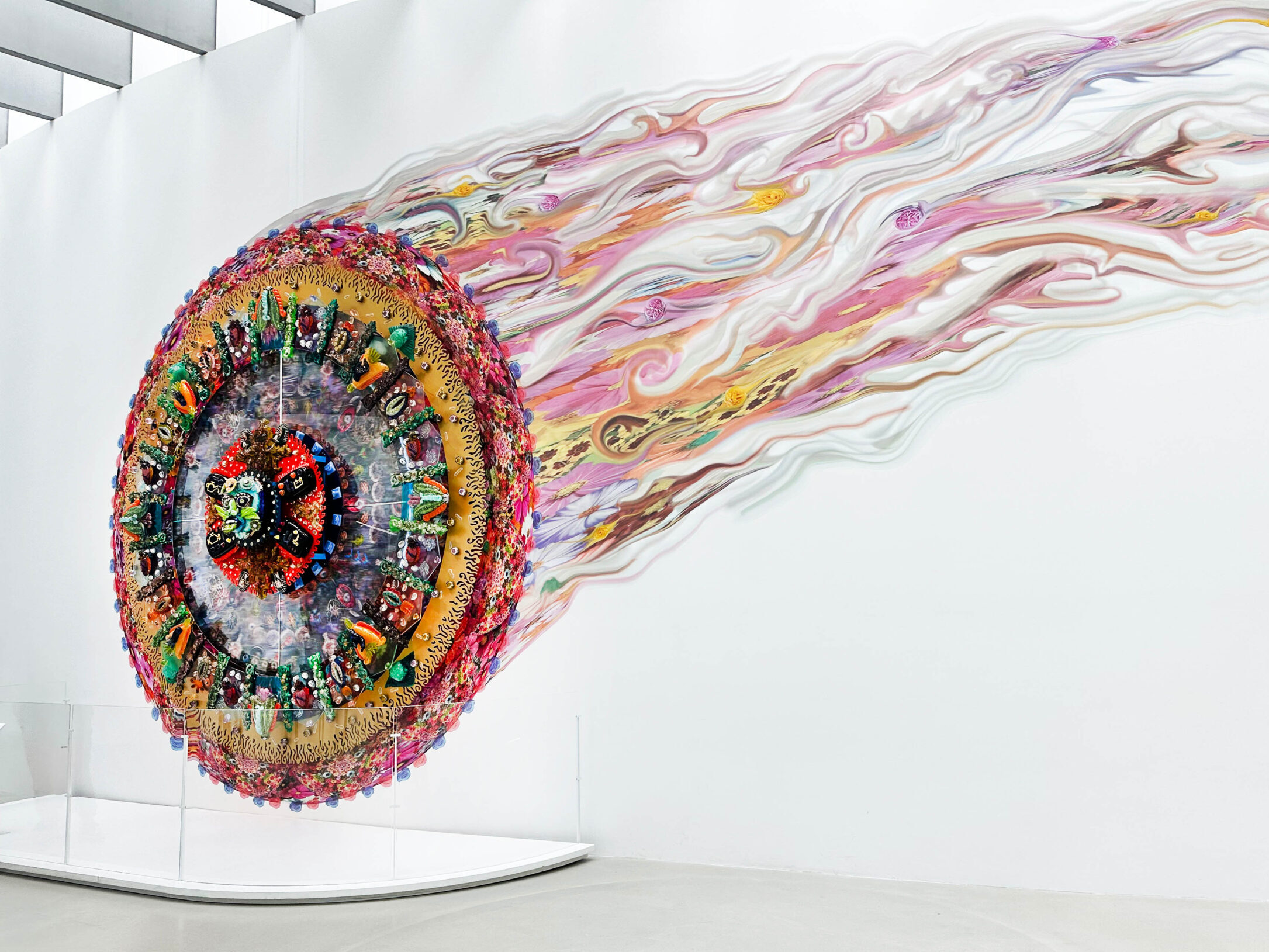
The second floor, which is where you enter CMoG, features several galleries: Contemporary Art + Design Galleries and 35 Centuries of Glass Galleries, along with collections in the Heineman and Gather galleries. As you enter the Contemporary Art + Design museum, you’re greeted by a piece called “Meteorite dall’Influenza Veneziana,” which translates to the meteorite of Venetian influence. The work, by Italian-based brothers Einar and Jamex de la Torre, is a witty yet pointed commentary on the glass world. While they encourage viewers to find their own meaning, the artists have explained it as a tongue-in-cheek metaphor for an “infection”—an all-consuming obsession with glassblowing techniques. This comet—anchored by an ornate green mask with its tongue playfully unfurled—offers a preview of what lies ahead: an immersive gallery of intricate glass sculptures by artists from around the world, each one demonstrating the precision, imagination and mastery of glassblowing.
Once you complete the contemporary galleries, cross a bridge to land at the 35 Centuries of Glass Galleries, which displays the world’s most comprehensive collection of glass. There, you’ll find objects from every country and historical period of glassmaking, dating back over 3,500 years.
During your day(s) exploring the wonders of glass, you will inevitably need to refuel. So when hunger strikes, head down to the first floor, which is down a flight of stairs from the main entrance, to CMoG’s cafe and 18,000-square-foot gift shop. The gift shop includes vases and other decorative items, jewelry, home goods, figurines and more, the majority handmade by glassblowers around the country (you’ll find a brief bio of each artist among their work).
At the back of the gift shop is an exit that leads you to The Studio, where you can take the previously mentioned classes and visit the Rakow Research Library. It’s also where artists work during their residency. In the library, you can browse a collection of publications and documents about every facet of glass, from techniques to how humans interact with glass. “Glass is such a cross-disciplinary subject that we have artists, collectors, scientists and a variety of researchers visit,” says Regan Brumagen, the library’s manager of research and collections strategy. “Everyone—from artists who create conceptual drawings to people who do very technical work where everything is measured out—uses our library. And because Corning is hard to get to, a lot of our traffic is actually virtual. Researchers regularly contact us through our virtual reference system.”
And artists who are fortunate enough to earn an all-expenses-paid residency also have use of the library, along with their own private studio and access to CMoG’s studio technicians and one of the world’s best-equipped glassmaking facilities. “Each artist applies with a proposal, and mine focused on kiln casting and hot casting,” explains Henry Jackson-Spieker, a glass professor at the University of Washington who was a resident during our trip to CMoG. “The staff knew I would need access to the mold room, wax room, casting facility, hot shop and cold shop, so they built in time for me to work in those spaces. Plus, I received a materials budget about three months in advance, which allowed me to create a list and have everything I needed when I arrived. This residency has been everything I expected and more. I feel very spoiled.”
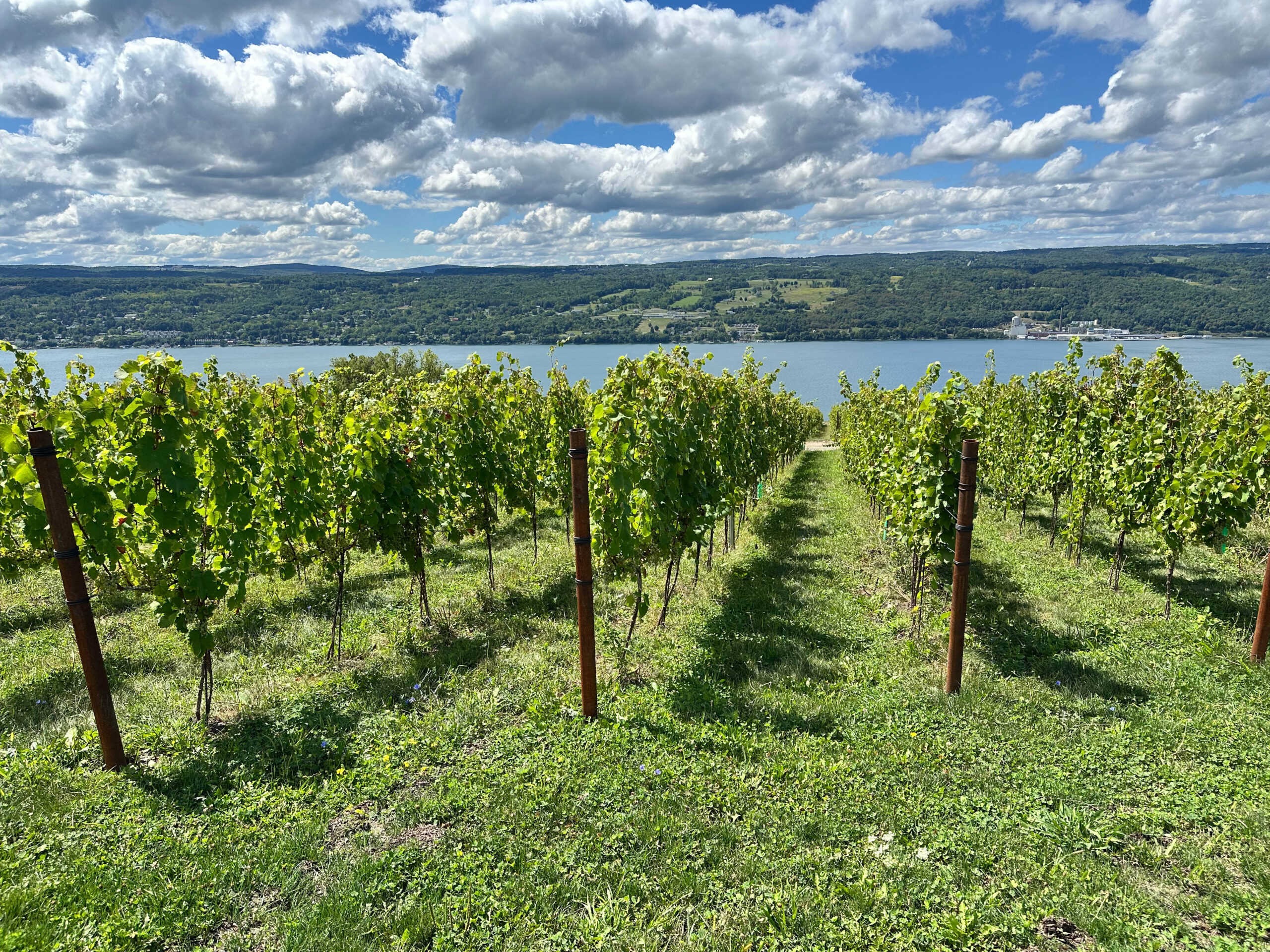
Hillick & Hobbs vineyard.
Explore American art and local wine
When you need a break from the world of glass, stop by The Rockwell Museum, located in Corning’s former city hall. The museum, a Smithsonian affiliate, features American art and artistic objects and materials created throughout the centuries. The collection began with a gift from local business owners Bob and Hertha Rockwell, who joined forces with a group of executives from Corning Glass Works to transform the private collection into a public museum, which opened in 1976.
Start your journey on the top floor, where the oldest items, beginning in the 1880s, are displayed. As you make your way through the decades and various floors, you will come across pieces like Frederic Remington’s famous “Bronco Buster” sculpture, created in 1898 and cast in bronze after 1918; Andy Warhol’s 1986 “Annie Oakley” silkscreen on paper; and “Blanket Stories: Western Door, Salt Sacks and Three Sisters,” a 2017 floor-to-ceiling sculpture of blankets from families throughout Western New York State. Set aside two to three hours for a leisurely stroll through this museum.
And on your way in or out of Corning, stop at Hillick & Hobbs, a winery situated on the southern tip of Seneca Lake, about 30 minutes away from Corning. Dedicated entirely to Riesling wines, the vines are grown on a very steep slope, and all farming is done by hand. Adults can enjoy a tasting flight (advanced booking is recommended) while children and dogs can enjoy the artisanal food accompaniments and complimentary dog treats. Weather permitting, the outdoor patio, with its panoramic views of Seneca Lake and the winery, is the way to go. And before or after your snack, log your steps for the day with a family stroll down towards the river and back.
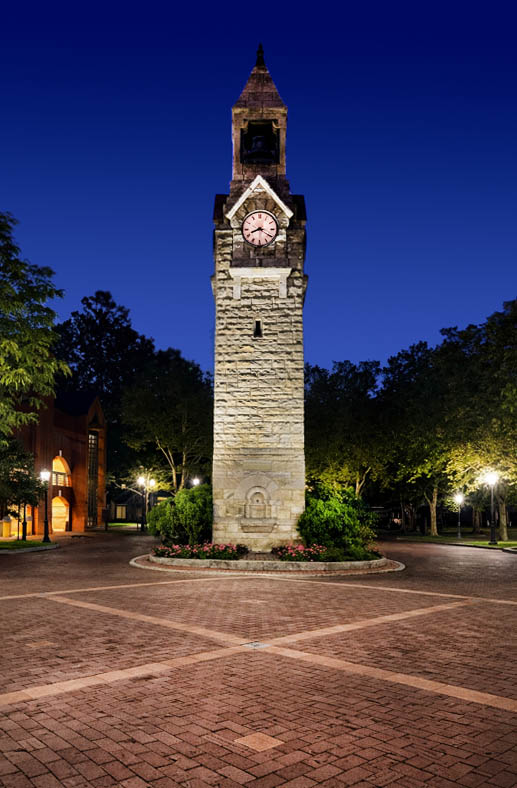
Centerway Clock Tower.
Eat, sleep and shop
The Radisson Hotel is walking distance from almost everything you’ll want to see and do while in Corning. Situated at the end of East Market Street, which features several blocks of shops and restaurants, there’s live music from local musicians every Thursday, Friday and Saturday night throughout the year. When the weather is nice, they play outdoors at Market Street Social, where you can grab a drink and bite to eat. In the cooler, chillier months, the musicians head indoors, playing for the guests at the hotel’s Steuben Bar.
We recommend parking your car in their lot and leaving it there for the duration of your stay. Unless you need a pharmacy or the aforementioned Wegmans grocery store, you’ll be just fine on foot. From the Radisson, it takes approximately 15 minutes to walk to CMoG and about 10 minutes to get to the Rockwell Museum. Restaurants and shops are just steps away.
For dining, there are restaurants up and down Market Street. For a casual bite, head to cocktail bar Hand + Foot (named after a card game played by the restaurant owner’s family), Mooney’s Sports Bar and Grill or Nickel’s Pit BBQ. Regardless of the restaurant, to avoid a long wait at dinner time, get there on the earlier side—no later than 6 p.m. is ideal. For dessert, the Old World Cafe and Ice Cream offers freshly baked desserts, old-fashioned candy and ice cream in a Victorian ice cream parlor setting.
If you’d like a fine dining experience during your trip, visit the chef-owned Three Birds, which features a seasonal menu with fresh, local ingredients. Before or after your meal, check out the restaurant’s Axe Lounge, a rustic space with assorted axe-throwing games, ranging from the traditional bullseye target to tic-tac-toe. Or for a more traditional fine dining experience, check out The Cellar, featuring modern fusion cuisine and a wine bar with over 500 bottles to choose from.
Shopping in Corning runs the gamut. From Heathered Grey’s collection of artisan and small-batch gift items and Connors Mercantile, which carries brands like Vera Bradley and MacKenzie-Childs, to Rabbit Row’s sustainably sourced American-made yarns and Finger Lakes Unique, which offers a wide array of hand-crafted items from over 100 local artists. There are also antique stores, glass shops, a bookstore, etc.
-
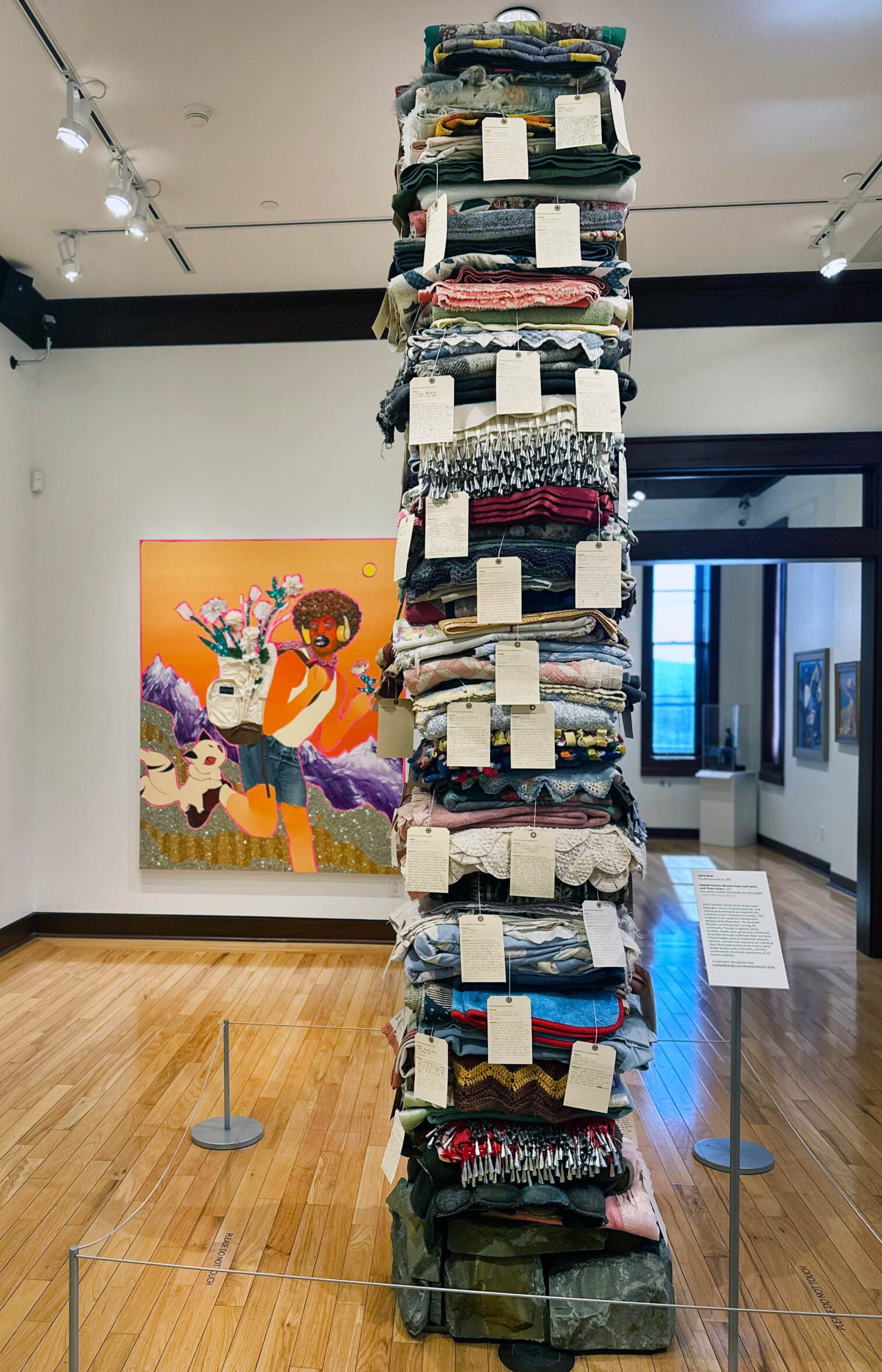
- “Blanket Stories: Western Door, Salt Sacks and Three Sisters,” by Marie Watt.
-
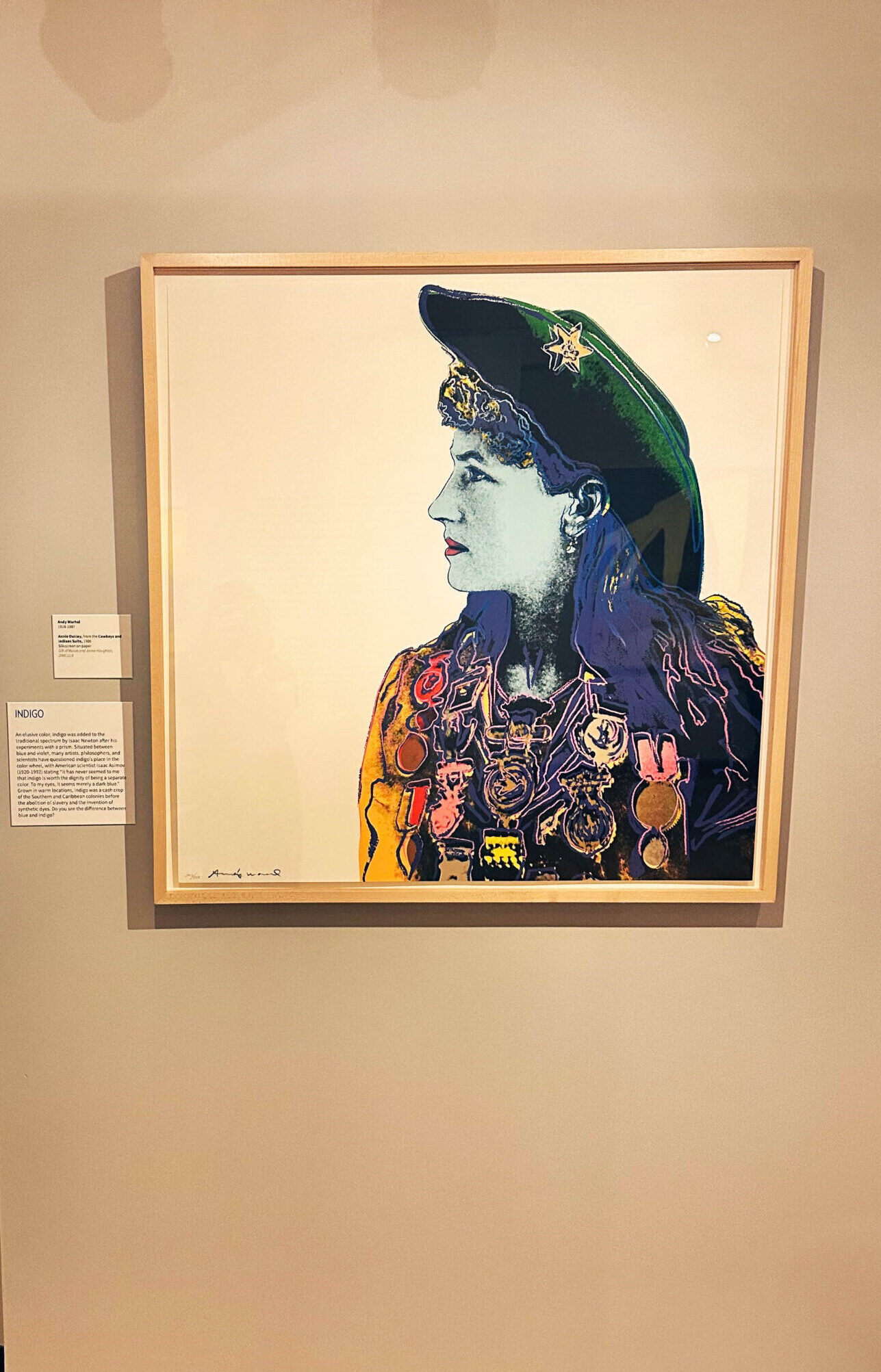
- “Annie Oakley,” from the Cowboys and Indians series by Andy Warhol.
Your new rose-colored glasses
As you pack up your car to head back home, carefully adding your new glass creations, along with the beautiful hummingbird feeder, wine decanter, vases, Scrabble game and earrings you purchased in the museum shop, think about all you’ve learned in just a few days. You’re now a mini-expert on glass, ready to educate everyone you meet about its history, the physics of light and optics, and the many incredible glassblowers not named Dale Chihuly. On the four-hour drive home, begin planning your next visit.
This article was published in the January/February 2026 edition of Connect to Northern Westchester.
To view all 2026 Connect to the Best winners, click here.

Gia Miller is an award-winning journalist and the editor-in-chief/co-publisher of Connect to Northern Westchester. She has a magazine journalism degree (yes, that's a real thing) from the University of Georgia and has written for countless national publications, ranging from SELF to The Washington Post. Gia desperately wishes schools still taught grammar. Also, she wants everyone to know they can delete the word "that" from about 90% of their sentences, and there's no such thing as "first annual." When she's not running her media empire, Gia enjoys spending quality time with friends and family, laughing at her crazy dog and listening to a good podcast. She thanks multiple alarms, fermented grapes and her amazing husband for helping her get through each day. Her love languages are food and humor.