

By Kayla Schmidt
We’ve all been told time and again, “Don’t crack your knuckles or you’ll get arthritis,” or “Turkey makes you tired, so be careful on Thanksgiving.” Health advice like this gets passed down so casually—from parents, friends, the internet—that it starts to feel like fact. But among the sea of health and nutrition information, there is a significant tide of inaccuracies, and according to experts, some of the most widely believed “facts” are myths that science debunked long ago. Here are seven of the more common ones, and the truths behind them.
1. Caffeine dehydrates you
One of the most infamous health “facts” is that caffeine dehydrates you, but in reality, that’s not exactly the case. “Some people can run rampant with caffeine, causing them to be thirsty, but it’s certainly not dehydrating,” explains Katrina Stechler, MS, RDN, at Northern Westchester Hospital. This myth likely began because coffee is a diuretic, causing you to pee more often. But numerous studies have proven the effects are too mild to cause true dehydration. In fact, caffeinated drinks can help meet your daily fluid needs, but water is still your best bet.
2. Cracking your knuckles causes arthritis
If you’re a knuckle cracker, at least one person has asked you to stop, explaining it will lead to arthritis. To challenge this theory, Dr. Donald Unger at the University of California San Diego cracked only the knuckles on his left hand for 60 years. The results? No significant difference. And while it might be a great anecdote, that miniscule sample size isn’t likely to convince anyone. Thankfully (for you knuckle crackers), numerous studies with larger sample sizes have also concluded that’s probably not the case. Here’s what actually happens when you crack a knuckle: you pop a gas bubble in the fluid that lubricates your joints—that’s what makes the signature “pop” sound. The bad news? Chronic knuckle-cracking could reduce your grip strength, and it definitely annoys others.
3. Sugar makes kids hyperactive
“In the 1970s there was something called the Feingold Diet (which encouraged parents to eliminate a long list of ingredients, including sugar, in kids with ADHD), and that is where the original myth came from,” explains Dr. Debra Etelson, a pediatrician with White Plains Hospital Physician Associates of Somers. “When parents heard about it, they started thinking, ‘Hey, that’s so true.’” Many scientific studies followed, and in 1995, researchers analyzed 23 experiments across 16 scientific papers and concluded that “sugar does not affect the behavior or cognitive performance of children.” But why does it still seem like sugar has an impact? “A lot of times, kids are in a stimulated environment so they have higher energy,” Etelson explains. “This isn’t because of the sugar they’re consuming. Temporary high energy is not the same as hyperactivity, and that’s what a lot of parents may not realize.”
4. Detox diets and teas can flush toxins from your body
Everyone’s heard of detox diets—whether it be from influencers, ads or just people around you. But what exactly are they detoxing, and why do we even need them? The answer, according to science, is that we don’t. Stechler notes these products lack scientific backing and mostly rely on laxatives, creating the illusion of detox. UChicago Medicine explains that toxins don’t actually build up in a healthy person since the body already has mechanisms to naturally clean them out. That’s your liver’s job, and it was doing just fine before you purchased that $60 juice cleanse. In fact, some herbal detox supplements have actually sent patients to the hospital with severe liver damage, the very organ the product claimed to be helping.
5. Reading in dim light ruins your eyesight
“Turn the light on!” If you’ve ever curled up with a good book (or magazine) in dim light, you’ve likely heard that phrase. But according to Dr. Melissa N. Snuggs, a pediatric ophthalmologist with Westchester Medical Center, “When reading in dim light, it might cause more strain on your eyes to focus. Your eyes must work harder, so you may experience eye fatigue earlier than when reading in bright light conditions. But there is no harm or permanent damage when reading in dim light.” What it can cause is eye strain, and that’s an important distinction. Eye strain can also be associated with long hours staring at a computer or other electronic devices, but the American Academy of Ophthalmology (AAO) is clear that it is a temporary symptom, not a condition; it does not injure the eye or cause any permanent damage. So go ahead and read by lamplight; just maybe take a break once in a while.
6. Turkey makes you sleepy
After Thanksgiving, everyone seems exhausted, and turkey takes a lot of the blame. The reason, or so we’ve been told, is that turkey contains tryptophan, an amino acid that produces protein, serotonin and melatonin, which acts as a natural sleep aid. However, Stechler explains, “Turkey doesn’t typically contain an unusually high amount of tryptophan.” In fact, overindulgence is often the issue here; Stechler notes that excess carbohydrates and enormous portions are the real reason people are so exhausted after Thanksgiving. That’s right—you only have yourself to blame.
7. We only use 10 percent of our brains
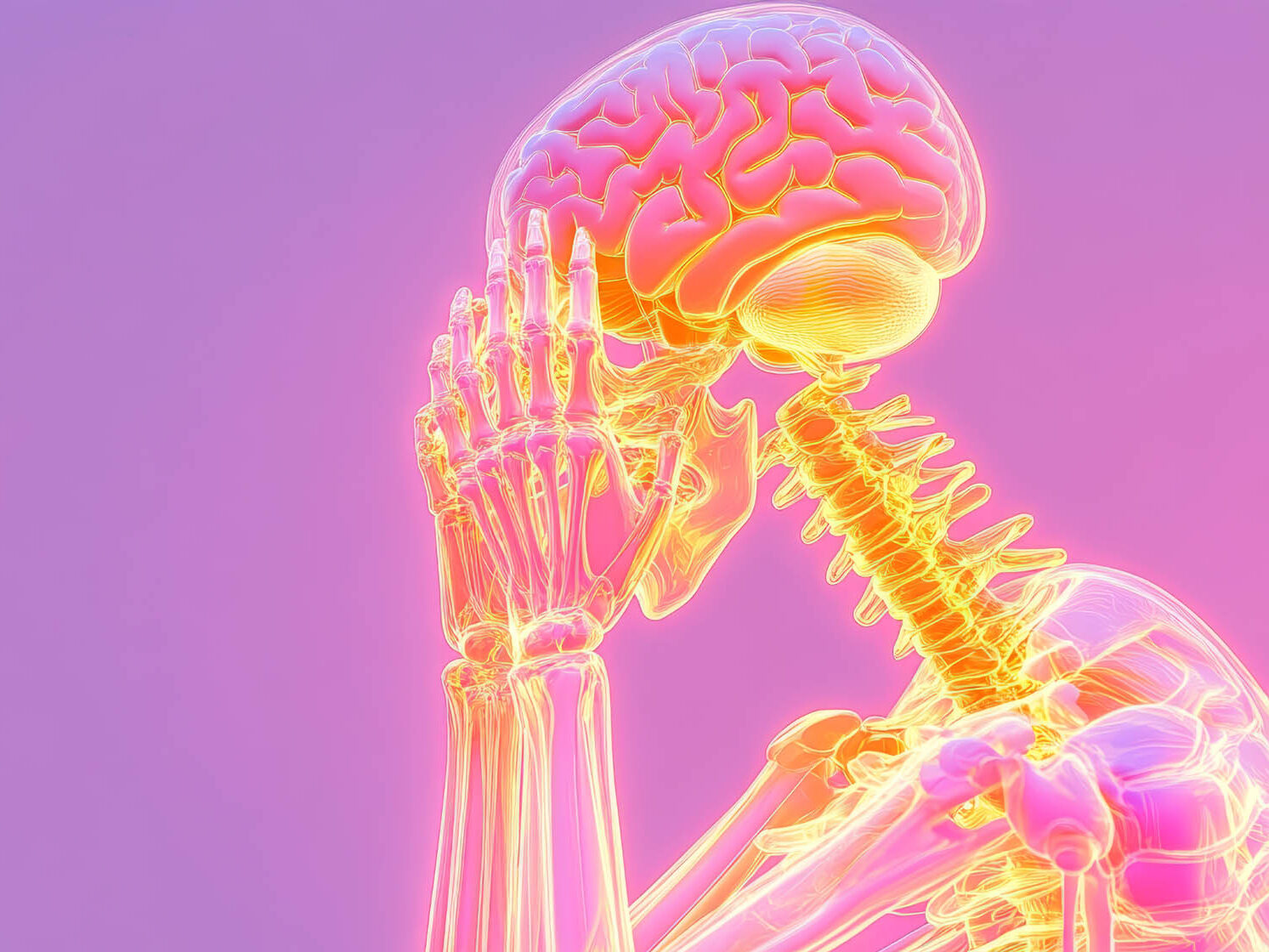
It’s a common misconception that we only use 10 percent of our brains, but where did this idea even come from? The myth may have originated as far back as 1908, when writer William James suggested that people only tap into a small portion of their mental resources. And according to Medical News Today, the idea stuck. But scientists believe we actually use our entire brain every day; they say our brain is constantly active and involved in all of the conscious and unconscious activities throughout our body. In fact, our brain uses roughly 20 percent of our body’s total energy. Everything from reading a book to throwing a ball requires significant brain activity, according to neurologists. The 10 percent figure was never based in science; it was just a compelling idea that somehow proved very hard to shake.
The good news? You can drink that morning cup of joe, allow your kids some sugar without fear they’ll bounce off the walls, read by lamplight and probably crack your knuckles guilt-free. The bad news? You really are using 100 percent of your brain, so no more excuses.
This article was edited by Julie Schwietert Collazo and fact-checked by Virna Sandler. The photograph was purchased from Adobe Stock.
This article was published in the May/June 2026 edition of Connect to Northern Westchester.

Kayla Schmidt
Kayla Schmidt is a sophomore at Horace Greeley High School. She is part of the newspaper and the SADD club, and she is also the co-manager of the track team. In her free time, Kayla enjoys spending time with her friends, family, and dogs, along with reading (preferably on the beach).